Regulatory Action
Trump Forms AI Force and Plans to Appoint AI Czar for Industry Oversight
According to reporting by Crypto Briefing published on September 19, 2026, the United States administration announced intentions to establish a specialized technological unit and appoint a dedicated leader to coordinate artificial intelligence policy across federal departments. This report, which remains not officially confirmed by primary government sources, highlights a continuing push toward centralized federal oversight and light-touch regulatory philosophies.
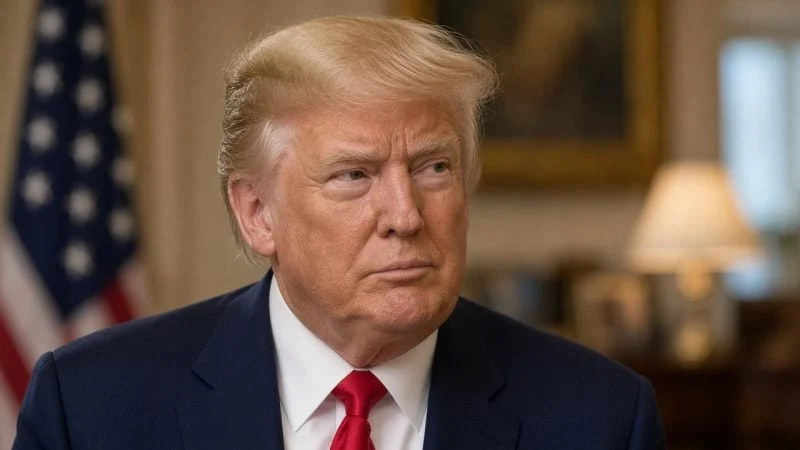
Overview of the Reported Administrative Initiative
Recent reporting published by Crypto Briefing on September 19, 2026, details plans by the United States executive branch to institute a dedicated technological workforce and designate an overarching coordinator for the artificial intelligence sector. According to the published text, the initiative aims to consolidate technology policy under a single centralized authority, reflecting structural frameworks previously utilized for digital asset and machine learning portfolios during earlier administrative phases. This structural approach is designed to embed specialized engineering talent directly into various federal departments, including defense and financial regulatory bodies, thereby bridging the traditional gap between private industry capabilities and public sector execution requirements.
The publication outlines that this operational framework builds directly upon prior technological recruitment efforts initiated by the administration. By leveraging private sector partnerships with major cloud infrastructure providers and enterprise technology companies, the executive branch intends to modernize its internal technological capabilities rapidly. However, the media outlet emphasizes that these strategic administrative intentions remain based entirely on media coverage and have not been independently validated or formally announced by official governmental communication channels, meaning that implementation timelines and structural details could be subject to substantial revision.
Regulatory Philosophy and Innovation Priorities
The reporting highlights a consistent regulatory philosophy within the administration that favors minimal intervention and rapid commercial deployment over extensive statutory oversight. Media accounts note that previous executive orders and administrative actions were specifically crafted to eliminate bureaucratic barriers and prevent the proliferation of fragmented state-level compliance mandates across the country. By favoring an innovation-first stance, key decision-makers have consistently rejected proposals that would mandate extended federal review periods for advanced algorithmic models, operating under the assumption that stringent oversight could inadvertently compromise national competitiveness against international rivals.
According to the source material, internal discussions within government circles have frequently involved friction between factions advocating for stringent safety guardrails and those prioritizing unhindered technological advancement. The reporting suggests that the faction supporting a light-touch, market-driven approach has largely prevailed in shaping current executive posture. This ideological dominance implies that commercial entities developing sophisticated machine learning applications and integrated financial technologies will likely encounter fewer regulatory hurdles at the federal level, though they must still navigate a complex landscape of existing legal obligations and varying state statutes.
Implications for the Technology and Crypto Sectors
The reported creation of a centralized technological force and leadership position carries significant ramifications for enterprises operating at the intersection of digital finance and artificial intelligence. Because previous administrative structures successfully combined digital asset portfolios with machine learning oversight under a single mandate, market analysts interpret the current developments as a continuation of a synchronized policy approach toward emerging technologies. Technology vendors and cloud computing providers stand to benefit directly from expanded government contracting opportunities, as federal agencies seek external expertise to upgrade their digital infrastructure without expanding permanent civil service payrolls.
Conversely, participants in the cryptocurrency and decentralized finance ecosystems must carefully evaluate the risk environment surrounding light-touch governance. While reduced regulatory friction can stimulate rapid product development and deployment, the absence of standardized safety guardrails may expose platforms to heightened vulnerabilities, operational risks, and sudden shifts in enforcement priorities. The media reporting emphasizes that these potential market impacts are speculative and depend entirely on how the proposed centralized structures are eventually staffed and empowered by executive leadership.
Internal Tensions and Enforcement Uncertainties
Media coverage from Crypto Briefing points to ongoing internal debates among administration officials regarding the optimal balance between technological acceleration and risk mitigation. While certain policy architects argue that aggressive development is paramount to maintaining global technological supremacy, other stakeholders express concern that under-regulation could compromise public safety and create an unlevel competitive playing field for smaller market entrants. These unresolved philosophical divisions within the executive branch suggest that future regulatory policies may experience sudden pivots depending on which advisory faction holds sway during key legislative or executive determinations.
Furthermore, the absence of official confirmation from primary government sources introduces a layer of uncertainty for compliance officers and legal professionals advising digital asset firms. Without formal executive orders or published regulatory guidance detailing the exact scope, authority, and jurisdiction of the proposed oversight roles, organizations cannot yet formulate definitive operational adjustments. Consequently, risk management teams are advised to monitor official government registries and administrative announcements closely rather than relying solely on secondary media reports for compliance planning.
Conclusion, Entity Impact, and Next Actions
In conclusion, Crypto Briefing reported that the United States administration plans to establish an artificial intelligence task force and appoint a designated oversight leader. This reporting remains not officially confirmed by primary government sources. The affected entities include technology developers, federal contractors, and digital asset user groups navigating federal innovation initiatives. The changes occurring now involve the centralization of executive technology policy under a unified leadership model that prioritizes rapid commercial deployment over mandatory regulatory compliance burdens. The next action for all market participants is to track official administrative publications and federal contracting portals while conducting thorough internal risk audits on all integrated machine learning and digital asset operations.
The distinction between reported administrative intentions and unconfirmed structural implementations must be carefully maintained by all risk management professionals. While media coverage highlights a clear trajectory toward light-touch governance and executive centralization, the lack of primary source verification means that organizational strategies should remain adaptable. Affected user groups and corporate entities are urged to refrain from making disruptive operational changes based entirely on unverified news reporting while simultaneously preparing for potential expansions in federal-private technological partnerships.
Cexvia conclusion
Conclusion and Operational Outlook
Crypto Briefing reported that President Donald Trump intends to construct a specialized technology task force and designate an overarching leadership figure for the artificial intelligence sector. This development, which is not officially confirmed by direct administrative releases, impacts technology enterprises, crypto market participants, and federal contractors by signaling a unified executive approach that favors rapid innovation over mandatory regulatory compliance burdens.
- Risk meaning
- The reported organizational shift indicates that the current political leadership prefers minimal regulatory interference over comprehensive statutory guardrails for advanced technologies. Market observers note that while this approach may accelerate commercial deployment and reduce compliance costs for private sector developers, it simultaneously introduces long-term uncertainties regarding consumer protection, asset safety, and systemic stability across digital asset platforms integrating modern machine learning tools.
- User action
- Industry participants and digital asset platform operators should closely monitor federal contracting criteria, compliance framework shifts, and any official announcements regarding executive appointments. Stakeholders are advised to maintain flexible operational policies and conduct thorough internal reviews of their automated trading algorithms, data governance models, and machine learning integrations to adapt effectively to evolving federal technology strategies.
Continue reading