Financial markets, technology and digital assets
United Airlines Faces Fleet Dilemma Over Stored Boeing 737 Max 10 Premium Seating
According to reporting by CNBC Top News, United Airlines is confronting an unexpected interior configuration dilemma regarding hundreds of stored lie-flat premium seats originally purchased for the Boeing 737 Max 10, which remains not officially confirmed for immediate commercial deployment due to multi-year certification delays.
Historical Context and Original Fleet Strategy
According to reporting by CNBC Top News, leadership at United Airlines originally outlined ambitious strategic expansion plans centered on the Boeing 737 Max 10 aircraft during an aviation conference held in Denver back in August 2018. The carrier intended to deploy specialized lie-flat premium seating configurations across profitable transcontinental routes, anticipating that the largest variant in the bestselling narrow-body family would commence commercial passenger operations around 2020. These strategic initiatives formed a cornerstone of the company's long-term premium product enhancement roadmap, designed to capture high-yielding business travel demand effectively.
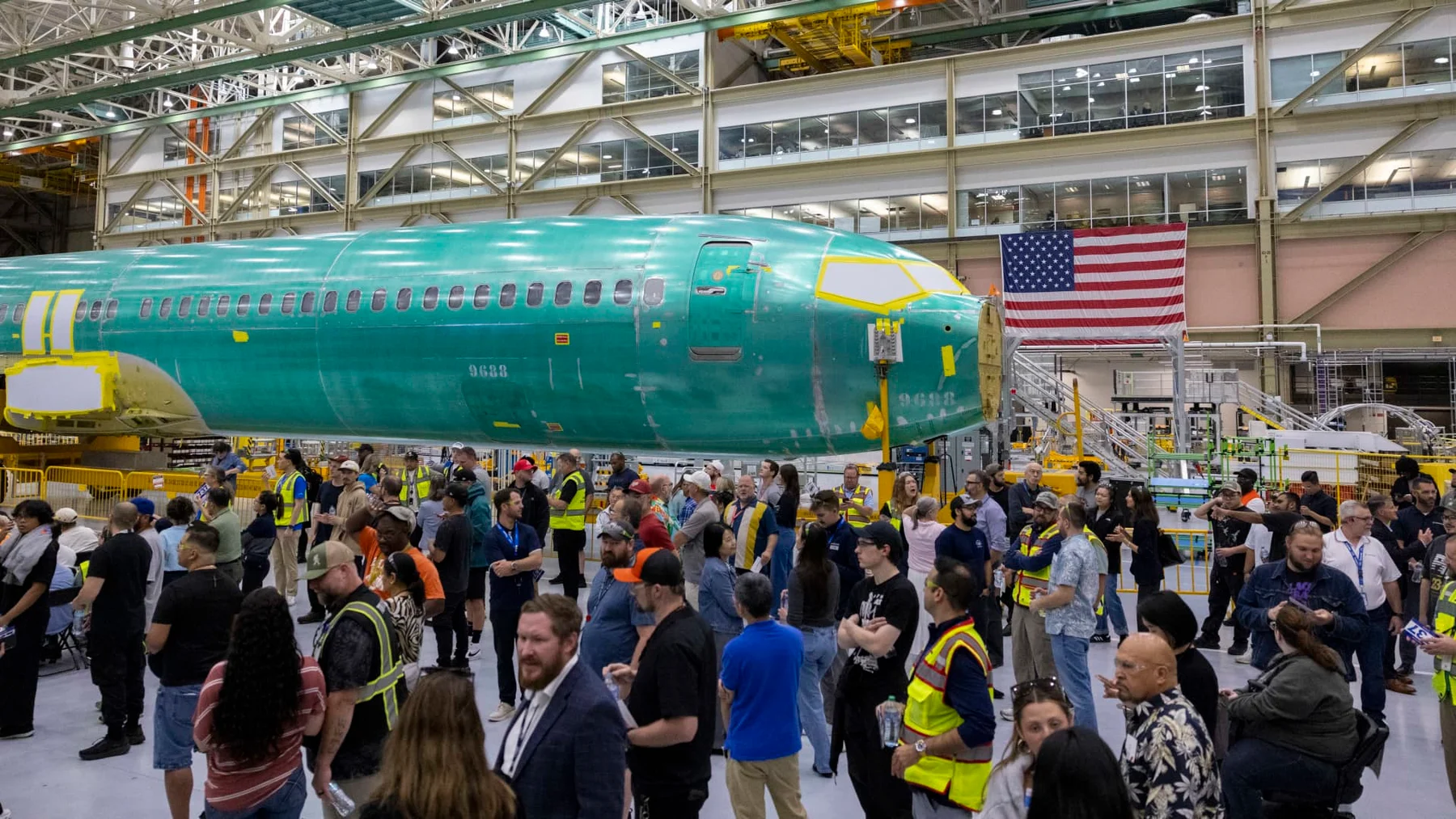
However, the subsequent timeline diverged significantly from initial corporate projections as multi-year certification hurdles materialized. Instead of entering service as scheduled, the aircraft became entangled in extensive regulatory scrutiny, manufacturing investigations, and mandatory technical redesigns concerning vital components such as anti-icing systems. Consequently, hundreds of specialized premium seats procured specifically for these cabins remained in storage facilities for over six years, rendering them unavailable for deployment while leadership searched for viable alternative interior solutions across the broader commercial fleet.
Regulatory Delays and Manufacturing Scrutiny
CNBC Top News noted that the prolonged certification timeline for the Boeing 737 Max 10 stemmed from rigorous regulatory investigations following safety and manufacturing crises within the manufacturing enterprise. Federal aviation authorities intensified oversight mechanisms, requiring comprehensive safety evaluations and system architecture modifications across the entire aircraft family. These stringent oversight procedures directly impacted the development schedules of multiple variants, including both the smaller Max 7 and the larger Max 10, pushing anticipated regulatory clearance dates out by several years.
Although regulatory approval for the smaller Max 7 model was recently secured, clearing a path for major carriers to begin operations in the coming years, the flagship Max 10 model continues to navigate the final stages of federal evaluation. Industry observers and airline executives have had to adjust their operational planning continuously in response to these rolling delivery postponements, creating a complex logistical environment for carriers that had already invested heavily in interior components and specialized hardware components well in advance of actual aircraft delivery milestones.
Fleet Adaptation and Subfleet Pivot Strategies
Facing extended delays regarding the arrival of the Max 10 aircraft, United Airlines executed a strategic operational pivot by outfitting an alternative subfleet of Airbus A321neo narrow-body aircraft with newly designed Polaris suites and contemporary premium economy seating options. This tactical adjustment was implemented to capitalize on the booming industry-wide demand for high-yielding premium capacity on transcontinental routes. The carrier branded these specially configured narrow-body jets as the Coastliner subfleet, successfully capturing premium passenger revenue while waiting for the long-delayed Boeing aircraft to receive final regulatory certification.
Nevertheless, corporate filings and executive statements highlighted by CNBC Top News indicate that the physical dimensions, cabin requirements, and engineering specifications of the Airbus narrow-body interiors do not correspond directly with the specifications of the stored Boeing seats. Consequently, the carrier finds itself managing a distinct structural mismatch where millions of dollars worth of custom-designed lie-flat seats remain completely incompatible with the newly established Coastliner subfleet and other existing aircraft types currently operating within the airline's comprehensive operational network.
Current Inventory Dilemma and Leadership Statements
In an interview conducted at Newark Liberty International Airport, United Airlines CEO Scott Kirby candidly discussed the ongoing challenge with CNBC Top News, stating that the organization possesses a substantial inventory of specialized lie-flat seats without an immediate implementation plan. Because these components were custom-engineered specifically for the cabin dimensions and structural layout of the Boeing 737 Max 10, they cannot be integrated into other aircraft types currently deployed across the carrier's domestic or international flight routes.
The reporting emphasizes that United Airlines has not yet publicly disclosed the definitive interior layout configuration it ultimately intends to utilize on the Max 10 aircraft, nor has the carrier finalized the specific transcontinental and domestic routes where these jets will eventually operate. With approximately 167 of these aircraft remaining on the active order book according to recent quarterly filings and delivery expectations pointing toward the summer of 2027, executive leadership faces mounting pressure to resolve the seating inventory conundrum before the first commercial airframes arrive at maintenance hubs.
Conclusion and Strategic Outlook
In conclusion, reporting by CNBC Top News established that United Airlines is managing an unresolved interior design challenge regarding stored lie-flat seats intended for the delayed Boeing 737 Max 10. This operational hurdle directly affects United Airlines and its premium passenger demographic, though the eventual certification timeline remains not officially confirmed by federal aviation regulators. Affected users and market analysts should carefully monitor upcoming corporate disclosures and regulatory announcements for verified updates.
Looking forward, the immediate action required involves tracking official certification milestones and observing how executive leadership reconciles the incompatible seating inventory with the upcoming 2027 aircraft deliveries. Stakeholders must separate reported corporate logistics from unconfirmed regulatory schedules, ensuring all risk assessments rely strictly on verified operational data published directly by authorized industry bodies and corporate communications.
Cexvia conclusion
Operational Assessment and Fleet Strategy Outlook
CNBC Top News reported that United Airlines CEO Scott Kirby acknowledged possessing a substantial inventory of incompatible lie-flat seats due to prolonged aircraft delivery postponements. This situation impacts United Airlines and its premium corporate customers, noting that the developments are not officially confirmed by aviation authorities in an official capacity.
- Risk meaning
- The reported inventory mismatch highlights supply chain vulnerabilities and operational planning risks within commercial aviation fleets, demonstrating how extended regulatory delays can strand substantial capital investments and force costly interior reconfiguration pivots.
- User action
- Affected stakeholders and market participants should monitor official regulatory announcements and corporate earnings disclosures to track actual delivery timelines, fleet configuration updates, and strategic adjustments implemented by commercial airlines.
Continue reading