Regulatory Action
U.S. Sanctions Iran-Linked Bitcoin Insurance Scheme for Strait of Hormuz Ships
According to CoinDesk reporting that is not officially confirmed by an independent or first-party judicial audit, the U.S. Treasury Department has sanctioned two Iranian maritime insurance entities, Persian Gulf Marine Insurance Company and HormuzSafe Marine Services Authority. These designations allege an extortion operation that accepted bitcoin and other digital assets to bypass Western restrictions.
Overview of Treasury Designations and Sanctions Framework
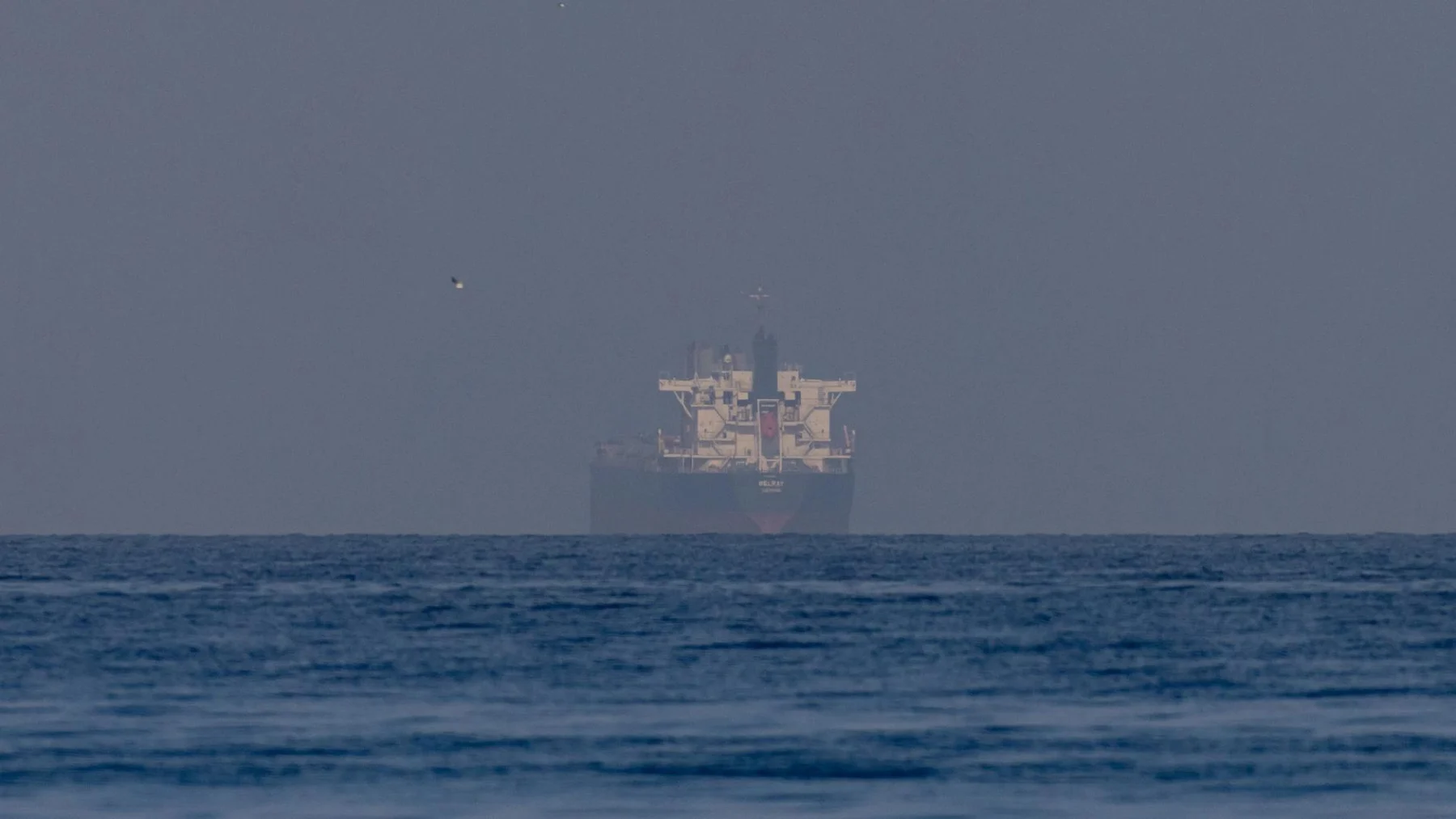
According to reporting by CoinDesk, the United States Department of the Treasury has taken decisive action against two prominent Iranian maritime insurance organizations. The targeted entities, identified as the Persian Gulf Marine Insurance Company and the HormuzSafe Marine Services Authority, commonly referred to as Hormuz Safe, stand accused of operating an elaborate extortion mechanism. This system allegedly compelled commercial cargo vessels navigating the critical Strait of Hormuz to purchase specialized insurance policies covering navigational risks that are largely engineered by the Iranian state itself. The designations were executed under specific executive orders aimed at curbing revenue generation within Iran's vital petroleum and petrochemical sectors.
Furthermore, the published findings indicate that the financial proceeds generated through these forced insurance premiums were systematically funneled to the Islamic Revolutionary Guard Corps. Treasury Secretary Scott Bessent emphasized in the official statements that the Iranian government is experiencing severe economic distress, characterized by triple-digit inflation and a collapsing domestic currency, driving the administration to seek desperate alternative funding methods. By embedding digital currency acceptance into state-level commercial infrastructure, the targeted program sought to insulate the regime from traditional banking oversight while maintaining continuous financial inflows from international maritime traffic traversing the vital energy chokepoint.
Integration of Digital Assets and Blockchain Rails in Sanctions Evasion
The reported deployment of cryptocurrency infrastructure within the Hormuz Safe platform highlights an evolving methodology utilized by sanctioned jurisdictions to circumvent international financial restrictions. CoinDesk noted that the operational framework was developed directly by Iran's Ministry of Economy, offering shipowners the option to settle insurance obligations using bitcoin alongside other digital assets. Fars News accounts previously highlighted a proposal originating from the economy ministry aiming to process multi-billion-dollar maritime transactions through cryptocurrency rails, effectively creating an alternative financial ecosystem designed to operate outside the reach of Western banking oversight and correspondent network monitoring.
Despite the ambitious structural designs publicized by state-linked media outlets, initial technical assessments at the time of discovery revealed that the platform primarily displayed a basic landing page. Independent investigative journalists and blockchain analysts were unable to verify whether the digital asset payment gateway was fully operational or if any international cargo carriers had successfully utilized the service prior to the enforcement actions. Nevertheless, the formal inclusion of bitcoin-settling entities onto the Office of Foreign Assets Control sanctions list establishes a definitive regulatory precedent regarding the legal parity between digital token transfers and conventional fiat wire transactions when evaluating secondary enforcement exposure.
Secondary Sanctions Risks and Global Compliance Implications
The implementation of these sweeping designations carries profound implications for international shipping companies, commercial enterprises, and digital asset market participants operating across global jurisdictions. United States persons are strictly prohibited from engaging in any commercial or financial transactions with the Persian Gulf Marine Insurance Company and HormuzSafe Marine Services Authority. Furthermore, foreign corporations and non-U.S. crypto entities that knowingly or unknowingly facilitate transactions with these designated organizations expose themselves directly to severe secondary sanctions, potentially resulting in exclusion from Western financial systems and asset freezes.
Regulatory authorities have consistently clarified that blockchain-based asset transfers offer no refuge from international compliance mandates, treating cryptocurrency payments with the exact same legal gravity as traditional banking transactions. Compliance departments across crypto exchanges, over-the-counter desks, and institutional custody providers must immediately update their screening parameters to account for the newly identified wallet addresses and corporate entities. Failure to implement robust transaction monitoring systems that capture these maritime risk vectors could result in catastrophic regulatory penalties and severe reputational damage for digital asset service providers worldwide.
Geopolitical Dynamics Within Vital Energy Chokepoints
The Strait of Hormuz remains one of the most strategically sensitive and heavily traversed energy chokepoints in the global economy, facilitating the movement of a substantial portion of the world's petroleum supply. In recent weeks, maritime traffic through this crucial corridor has experienced noticeable contractions amid ongoing U.S. military strikes against targets in Iran. These persistent regional hostilities have kept global crude oil prices elevated, exacerbating economic anxieties and prompting local authorities to explore unconventional mechanisms to sustain state revenues despite comprehensive international isolation.
The intertwining of maritime security, military operations, and cryptocurrency adoption underscores the complex security matrix confronting contemporary regulators and energy markets. As traditional revenue streams contract under the weight of sustained economic sanctions, state-backed actors increasingly look toward decentralized financial networks and digital assets as alternative conduits for capital accumulation. This macrotrend necessitates unprecedented cooperation between national security agencies, financial intelligence units, and blockchain analytics firms to map, monitor, and neutralize illicit financial channels operating within high-conflict maritime zones.
Investigative Methodology and Verification Challenges
Reporting on complex sanctions evasions involving nascent digital technologies frequently presents significant journalistic and verification hurdles for independent newsrooms. As documented in the original CoinDesk coverage, initial insights into the Hormuz Safe initiative relied heavily on state-linked media announcements originating from Fars News, which claimed grandiose revenue projections exceeding ten billion dollars without providing transparent accounting methodologies or empirical proof of commercial adoption. Navigating state-controlled propaganda outlets requires rigorous cross-referencing and validation against official regulatory declarations to separate substantiated policy actions from speculative narratives.
Independent risk intelligence reporting must maintain strict adherence to evidential standards, ensuring that unconfirmed allegations or speculative state claims are clearly delineated from verified governmental sanctions actions. While the U.S. Treasury Department officially confirmed the designations of Persian Gulf Marine Insurance and Hormuz Safe, the underlying operational scale and actual transaction volumes processed through their bitcoin payment gateways remain largely unverified by independent forensic audits. This investigative nuance highlights the critical need for continuous vigilance, as risk analysts and compliance officers evaluate emerging threats within the dynamic intersection of geopolitics and cryptocurrency.
Concluding Risk Assessment and Actionable Compliance Protocol
In conclusion, this risk intelligence report evaluates the reported U.S. Treasury sanctions targeting Iran-linked maritime insurance entities that allegedly accepted bitcoin to bypass restrictions. The affected entities include Hormuz Safe and Persian Gulf Marine Insurance Company, while the primary user groups impacted by these secondary enforcement measures comprise international commercial vessel operators and global digital asset participants. It is crucial to separate what was reported—specifically the executive designations and official statements from Treasury Secretary Scott Bessent regarding state-backed extortion—from what remains unconfirmed, such as the true operational volume of the bitcoin gateway and independent verification of the billions in projected revenues. What changes now is that cryptocurrency payments directed toward these sanctioned maritime schemes carry identical secondary sanction liabilities as traditional fiat channels, mandating immediate defensive adjustments across global compliance frameworks.
The next immediate action for all digital asset service providers, institutional custodians, and corporate compliance officers is to deploy comprehensive address screening protocols across all active blockchain networks. Compliance teams must integrate the newly designated entity identifiers into their transaction monitoring systems to intercept and prevent any indirect exposure to Iranian maritime insurance schemes. By maintaining rigorous adherence to updated OFAC guidance and conducting thorough counterparty due diligence, market participants can successfully mitigate the severe regulatory and legal risks associated with state-sponsored cryptocurrency evasion mechanisms.
Cexvia conclusion
Regulatory Enforcement and Compliance Assessment
CoinDesk reported that the Treasury Department penalized entities utilizing digital asset rails for sanction evasion, though these allegations remain not officially confirmed by independent validation of operational transaction logs. The affected entities include Hormuz Safe and Persian Gulf Marine Insurance Company, while impacted user groups encompass international commercial vessels and digital asset holders transiting high-risk energy corridors.
- Risk meaning
- The deployment of digital assets in state-backed maritime insurance frameworks exposes global cryptocurrency participants to heightened secondary sanctions liabilities. Transacting with designated entities through blockchain networks carries identical regulatory penalties and enforcement risks as traditional fiat channels.
- User action
- Digital asset holders and international maritime operators must immediately screen counterparty wallets and corporate structures against updated sanctions lists. Compliance teams should implement advanced blockchain analytics to detect and prevent indirect exposure to high-risk Iranian maritime entities.
Continue reading