Legislative Delay
U.S. Senate Delays Crypto Clarity Act Amid Competing Priorities
According to CoinDesk, the U.S. Senate has postponed consideration of the Crypto Clarity Act as it prioritizes other legislative matters, notably Russia sanctions and federal nominations. This reported-only development, not officially confirmed, leaves the crypto industry uncertain about the timeline for regulatory clarity. The Senate's crowded agenda and unresolved debates, especially regarding government ethics provisions, have contributed to the delay. The situation may shift in September, but for now, the industry's central policy effort remains sidelined. This summary is based on media reporting and has not been officially confirmed.
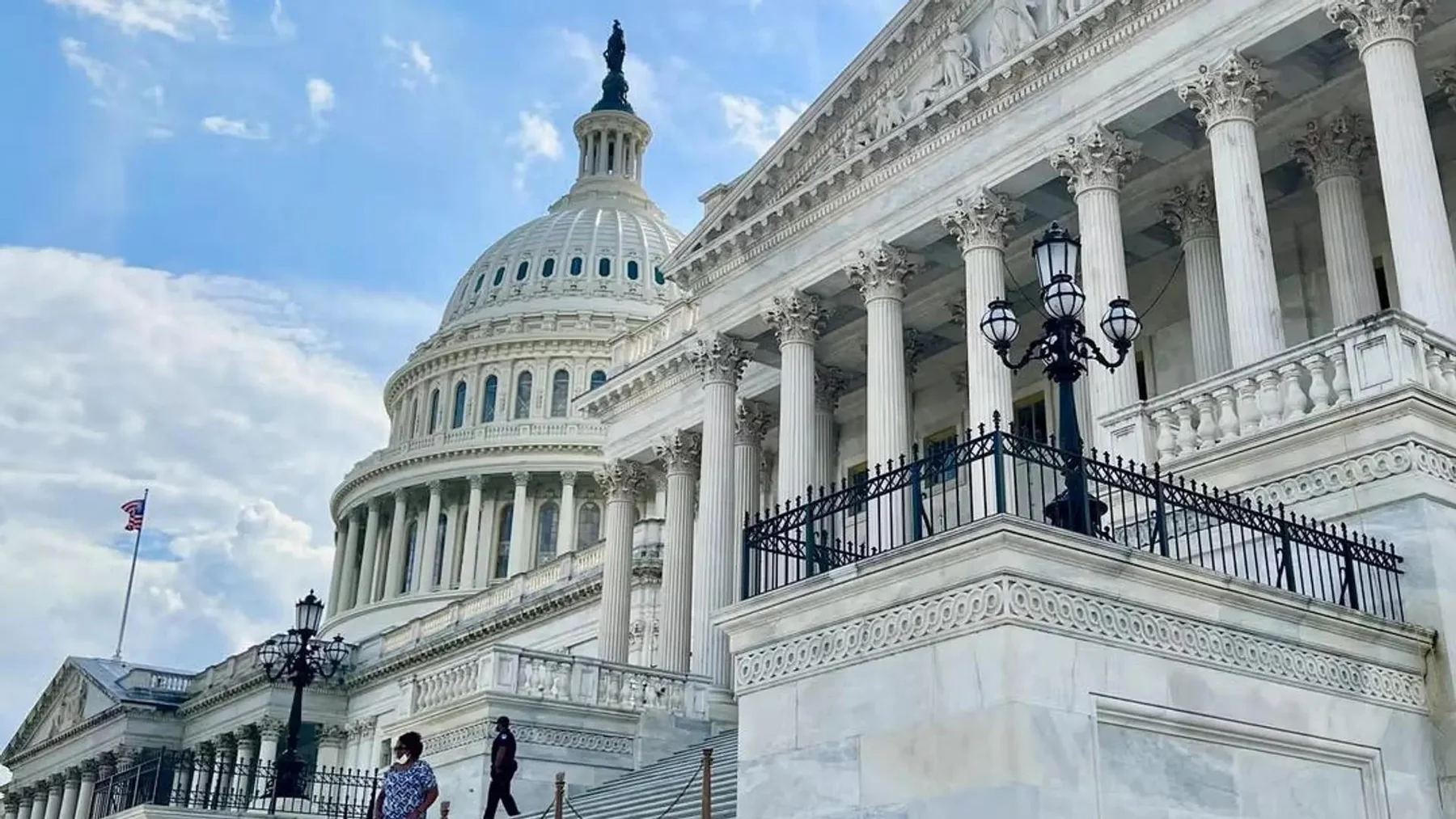
Senate Agenda and Legislative Priorities
CoinDesk has reported that the U.S. Senate is currently prioritizing legislative actions unrelated to the crypto sector, specifically focusing on Russia sanctions and federal nominations. Majority Leader John Thune has set the schedule to pursue these matters, which has resulted in the postponement of the Crypto Clarity Act. The Senate's procedural rules typically allow only one major disputed bill to be considered at a time, making it unlikely for the Clarity Act to advance until the current priorities are resolved. This reported delay, not officially confirmed, reflects the limited bandwidth available for crypto-related legislation amid a crowded agenda.
The chamber's attention is further diverted by events such as the funeral of Senator Lindsey Graham, which occupies floor time and resources. As a result, the crypto industry's central policy effort is sidelined, with the Clarity Act potentially missing its window for Senate action before the summer recess. The legislative bottleneck underscores the challenges faced by the crypto sector in securing regulatory clarity, as competing priorities continue to dominate the Senate's schedule. This situation is based on media reporting and has not been officially confirmed.
Unresolved Debates and Ethics Provisions
A significant factor contributing to the delay of the Crypto Clarity Act is the ongoing debate over government ethics provisions. According to CoinDesk, the most contentious section involves restrictions on senior government officials, including President Donald Trump, from backing crypto projects. This provision has sparked disagreement among lawmakers, with Democrats opposing the Act and the president's crypto activities. Despite some progress, including a reported agreement from Trump to accept certain limitations, both sides remain divided on the scope and effectiveness of the proposed restrictions.
The unresolved nature of these debates has narrowed the chances for the Clarity Act to become law in 2026. The ethics section was the focus of a recent event hosted by Democrats, highlighting the deep political divisions within the Senate. As parties continue to seek compromise, the crypto industry faces uncertainty regarding the regulatory framework that will govern exchanges and digital assets. This information is based on media reporting and has not been officially confirmed.
Implications for Crypto Exchanges and Users
The reported delay in the Crypto Clarity Act has direct implications for crypto exchanges and their users. Without legislative progress, exchanges must continue to operate under existing regulatory frameworks, which may lack the specificity and clarity needed for effective compliance. The uncertainty surrounding the Act's timeline complicates risk management and strategic planning for market participants, especially those seeking to expand operations or attract institutional investment.
For users, the lack of regulatory clarity may affect confidence in the industry and limit access to new products or services. The ongoing debates and legislative bottlenecks highlight the challenges faced by stakeholders in navigating a rapidly evolving regulatory landscape. Until the Clarity Act or alternative legislation is enacted, exchanges and users must remain vigilant and adaptable. This assessment is based on media reporting and has not been officially confirmed.
zh-CN
Potential Legislative Pathways and Alternatives
CoinDesk notes that if the Crypto Clarity Act fails to advance, other legislative avenues may provide regulatory legitimacy for the industry. The ongoing implementation of the Guiding and Establishing National Innovation for U.S. Stablecoins (GENIUS) Act and policy efforts at the U.S. Securities and Exchange Commission (SEC) and Commodity Futures Trading Commission (CFTC) are cited as possible alternatives. These initiatives may offer some clarity, but their scope and impact remain uncertain until the Clarity Act's fate is resolved.
The House of Representatives has already advanced a similar version of the Clarity Act, but the Senate has historically been a bottleneck for crypto legislation. Even if the Act passes in the Senate, it must return to the House for approval, where recent infighting among Republicans has delayed action on other bills. The legislative process is further complicated by the president's stance on unrelated legislation and demands for voter-identification requirements. This overview is based on media reporting and has not been officially confirmed.
Timeline and Future Outlook
According to CoinDesk, the Senate's summer recess is scheduled to begin on August 8, leaving limited time for the Clarity Act to receive attention before lawmakers disperse. If the Act does not advance in the final days before the recess, the next opportunity may arise in September when both chambers return for a few weeks. However, after the November elections, Congress enters a 'lame duck' session, which is often characterized by political paralysis or last-minute dealmaking. The uncertainty surrounding the legislative timeline adds to the challenges faced by the crypto industry.
Even if the Clarity Act passes both chambers, it must be signed by the president to become law. Recent actions by President Trump, including refusal to sign unrelated bills and demands for voter-identification requirements, have introduced additional unpredictability. After a 10-day period of presidential inaction, an approved bill would automatically become law. The future outlook for the Clarity Act and crypto regulation remains uncertain, with stakeholders advised to monitor developments closely. This analysis is based on media reporting and has not been officially confirmed.
Industry Response and Strategic Considerations
The crypto industry has responded to the reported delay with a mix of concern and strategic reassessment. Major players, including exchanges and institutional investors, are closely monitoring Senate developments and preparing for various outcomes. The delay has prompted some to focus on compliance with existing regulations and to explore alternative legislative pathways, such as the GENIUS Act and ongoing SEC and CFTC initiatives. The uncertainty has also led to increased advocacy efforts, with industry groups seeking to influence the legislative process and address unresolved issues.
Stakeholders are advised to remain flexible and proactive, adapting to the evolving regulatory landscape. The reported delay, not officially confirmed, underscores the importance of staying informed and prepared for potential changes. As the Senate continues to debate the Clarity Act and related provisions, the industry must balance innovation with compliance, ensuring that business strategies align with current and future regulatory requirements. This guidance is based on media reporting and has not been officially confirmed.
Cexvia conclusion
Concrete Finding: Crypto Clarity Act Delayed, Uncertainty Persists for Exchanges and Users
CoinDesk reports that the U.S. Senate has delayed action on the Crypto Clarity Act, with no official confirmation available. The chamber is focusing on Russia sanctions and nominations, pushing the crypto bill further down the legislative agenda. The unresolved debate over government ethics provisions, particularly restrictions on senior officials' involvement in crypto projects, remains a sticking point. The delay increases uncertainty for crypto exchanges and users awaiting regulatory clarity. This finding is based on media reporting and is not officially confirmed.
- Risk meaning
- The reported delay in the Crypto Clarity Act's progress signals ongoing regulatory uncertainty for crypto exchanges and their users. Without clear legislative guidance, market participants may face challenges in compliance, risk management, and strategic planning. The unresolved government ethics provisions highlight the complexity of crypto regulation and the influence of political dynamics on the legislative process. This situation may affect the industry's ability to innovate and attract institutional investment until regulatory clarity is achieved.
- User action
- Crypto exchange operators and users should monitor legislative developments closely, as the reported delay may impact compliance strategies and business planning. Stakeholders are advised to stay informed about ongoing Senate debates and potential shifts in the regulatory timeline. While the Clarity Act remains sidelined, exchanges should continue to adhere to existing regulations and prepare for possible changes in the coming months. This guidance is based on media reporting and not officially confirmed.
Continue reading

