Regulatory and Compliance Risk Intelligence
World Liberty’s $100M WLFI Buyer Linked to UK Money Laundering Probe
A media report by crypto.news indicates that Guren “Bobby” Zhou, the individual behind Aqua 1’s massive $100 million purchase of World Liberty Financial tokens, remains connected to an active British money laundering inquiry following his prior 2021 arrest, though he has not been formally charged. This development is not officially confirmed.
Background of the Multi-Million Dollar Token Acquisition
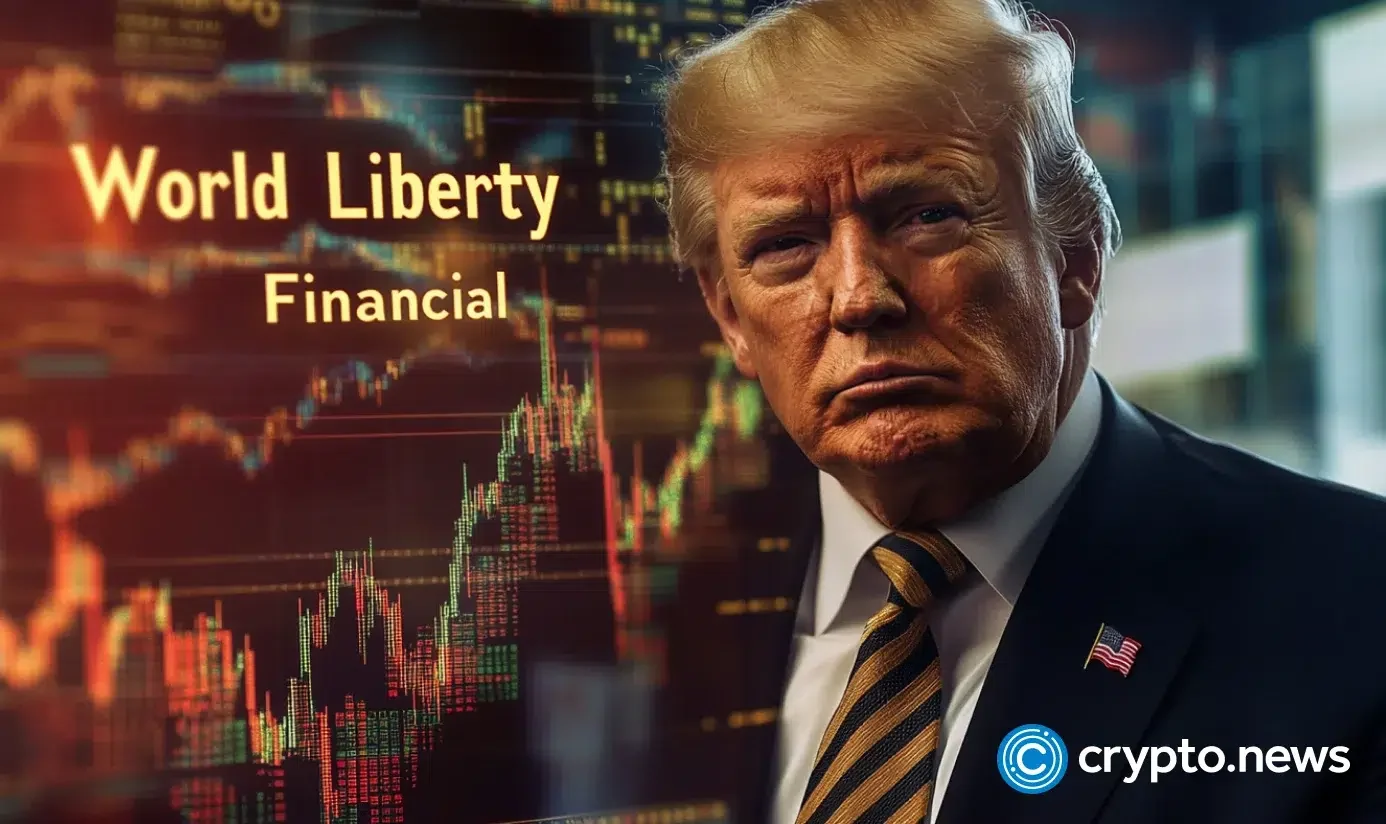
Recent investigative reporting published by crypto.news highlights the complex background of Guren “Bobby” Zhou, the businessman identified as the driving force behind Aqua 1. According to the publication, Aqua 1 executed a substantial transaction involving the acquisition of one hundred million dollars worth of governance tokens issued by World Liberty Financial. This major financial allocation has drawn significant attention across the digital asset sector due to the sheer magnitude of the investment and the opaque corporate structures utilized during the execution of the transfer.
Further examination of blockchain activity conducted by specialized analytics entities revealed that the capital deployment occurred in distinct phases across multiple digital wallets. Initial acquisitions were traced to entities previously directed by Zhou before a corporate rebranding effort altered the operational nomenclature. Observers note that the lack of public clarity regarding the ultimate origin of these funds underscores ongoing challenges within the decentralized finance ecosystem regarding counterparty transparency and rigorous compliance protocols.
British Legal Proceedings and Ongoing Investigations
The published reporting indicates that British authorities previously detained Zhou during 2021 under suspicion of involvement in money laundering activities. Court documentation filed subsequently alleged his participation alongside several other individuals in a sophisticated financial structuring operation dating back to several years prior. Although criminal charges have not been formally brought against Zhou himself, prosecutors have initiated formal proceedings against multiple long-term associates connected to his previous business operations in the region.
Legal analysts following the developments emphasize that while an absence of formal charges protects an individual’s legal standing, association with an active multi-year financial investigation introduces severe reputational liabilities. The scheduled progression of related trials into upcoming years ensures that the legal scrutiny surrounding these individuals will persist, casting a long shadow over any commercial ventures or corporate vehicles associated with their previous network of enterprises.
Corporate Rebranding and Corporate Connections
Corporate registry documents examined by journalists trace Zhou’s transition from operating Web3Port, a venture capital fund heavily focused on early-stage crypto projects, to establishing the structures that ultimately facilitated the massive token purchase. Records demonstrate that a British Virgin Islands-registered entity originally associated with Web3Port underwent a strategic name change to become Aqua 1 GP Limited shortly before the public announcement of the multi-million dollar acquisition agreement with World Liberty Financial.
Despite initial public denials issued by representatives regarding any operational relationship between the distinct corporate entities, documentary evidence highlights a continuous thread of management and ownership control. This corporate maneuvering has raised concerns among regulatory watchdogs and industry analysts who monitor how offshore vehicles are deployed to obfuscate ultimate beneficial ownership within high-profile digital asset transactions and token sales.
Historical Ventures and Commercial Discrepancies
Before relocating operations to Abu Dhabi, Zhou managed multiple commercial enterprises in London that subsequently encountered severe financial distress and operational collapse. Among these was a retail flooring business that entered formal restructuring procedures while owing significant debt to an affiliated entity controlled by family members. Subsequent ventures in the digital asset sphere, such as a token project that ultimately lost nearly all market value, similarly drew criticism for unauthorized marketing claims regarding institutional backing from prominent financial institutions.
These historical commercial failures provide critical context regarding the operational background of key participants in major decentralized finance initiatives. The pattern of establishing short-lived corporate entities, engaging in high-profile promotional campaigns, and subsequently facing severe financial deficits illustrates the recurring risks present when venture participants lack verified institutional credentials or stable operating histories.
Revenue Distribution and Political Scrutiny
Financial structures established by World Liberty Financial dictate that a substantial share of proceeds derived from governance token sales flows directly to corporate entities under the control of prominent political figures and their family members. Disclosures indicate that tens of millions of dollars generated through the Aqua 1 purchase were directed toward designated recipient accounts, triggering intense congressional inquiries regarding potential conflicts of interest and foreign financial influence within government operations.
Lawmakers from legislative oversight committees have repeatedly questioned whether large-scale foreign investments in platforms associated with senior political figures create vulnerabilities that compromise national security or violate anti-corruption statutes. While administrative spokespersons maintain that all corporate operations adhere strictly to established legal frameworks and that asset management is fully segregated, the intersection of decentralized finance and high-level political involvement continues to attract rigorous bipartisan examination.
Conclusion and Strategic Outlook
In conclusion, media reporting establishes that Guren “Bobby” Zhou remains linked to an active British money laundering investigation stemming from a 2021 arrest, despite not facing formal criminal charges. This connection directly impacts World Liberty Financial and its key token purchasers, notably the entity Aqua 1, alongside the affected user group of decentralized finance investors and market participants who rely on transparent counterparty information. These developments are not officially confirmed.
Moving forward, the immediate action required for institutional and retail market participants is to conduct heightened due diligence on capital sources and corporate intermediaries associated with high-profile token sales. Observers must continuously track official legal proceedings in the United Kingdom and upcoming congressional inquiries to separate established judicial facts from unverified allegations while monitoring regulatory responses to offshore capital deployment in digital assets.
Cexvia conclusion
Evaluation of Counterparty Exposure and Regulatory Oversight
The investigation connects a major token purchaser to unresolved legal scrutiny in the United Kingdom, raising critical governance questions for World Liberty Financial. This finding is not officially confirmed.
- Risk meaning
- The disclosure highlights potential vulnerabilities in token sale due diligence, pointing to risks when substantial capital originates from entities with opaque histories and complex offshore corporate restructuring.
- User action
- Market participants and investors dealing with decentralized finance platforms should independently verify the provenance of large capital injections and monitor regulatory inquiries surrounding high-profile token distributions.
Continue reading