Protocol Upgrade, Security Vulnerability, Privacy Crypto
Zcash Seals $1.7 Billion Shielded Pool After Ironwood Upgrade: Orchard Bug Reported, Not Officially Confirmed
CoinDesk has reported that Zcash activated its Ironwood upgrade, sealing the Orchard shielded pool which held approximately 3.66 million ZEC, valued at about $1.7 billion. The upgrade was prompted by the discovery of a previously undisclosed bug in Orchard’s proof circuit, which could have enabled the creation of counterfeit ZEC without onchain traces. The Ironwood upgrade introduces a turnstile mechanism that restricts withdrawals to the amount verifiably deposited, aiming to prevent any unaccounted coins from leaving the pool. These developments are not officially confirmed and remain based on media reporting.
Background and Context of the Ironwood Upgrade
According to CoinDesk, Zcash activated its Ironwood (NU6.3) upgrade at block 3,428,143, marking a significant transition in the protocol’s privacy infrastructure. The upgrade sealed the Orchard shielded pool, which previously held the majority of Zcash’s private funds, amounting to approximately 3.66 million ZEC. This move was prompted by the discovery of a bug in Orchard’s proof circuit, which had remained undetected for four years. The bug reportedly allowed the possibility of creating counterfeit ZEC without leaving any trace on the blockchain, raising concerns about the integrity of the shielded supply. The Ironwood upgrade introduces a new pool starting from zero tokens and implements stricter controls to mitigate risks associated with the vulnerability.
Shielded pools are a core feature of Zcash, enabling private transactions where the amounts and participants are hidden. The zero-knowledge proof system ensures that deposited amounts are reflected publicly, but the internal movements remain confidential. The Orchard pool, launched in May 2022, was intended to provide robust privacy, but the reported bug undermined its security. The Ironwood upgrade aims to restore confidence by sealing the compromised pool and introducing mechanisms that restrict withdrawals to verifiable deposits, preventing any unaccounted coins from exiting the pool.
Discovery and Nature of the Orchard Bug
The vulnerability in Orchard’s proof circuit was reportedly discovered by Shielded Labs researcher Taylor Hornby on May 29. CoinDesk states that the flaw could have enabled an attacker to mint counterfeit ZEC without any onchain evidence, a scenario that would have severely compromised the protocol’s privacy and supply integrity. The bug had been present since Orchard’s launch in May 2022, remaining unnoticed for four years. Although developers patched the bug within days of its discovery, the patch could not retroactively address the period during which the vulnerability was active.
CoinDesk’s analysis suggests that there is no evidence of exploitation, as the balance in Orchard grew steadily even during periods when cashing out would have been most profitable. If counterfeit coins had been created, they would likely have been moved out and sold, which would have been detectable as funds leaving the pool. However, the zero-knowledge proof system does not reveal internal transaction details, making it impossible to definitively prove that no counterfeit coins were ever minted. The Ironwood upgrade’s turnstile mechanism is designed to address this uncertainty by capping withdrawals at the amount verifiably deposited.
Ironwood Upgrade Features and Security Enhancements
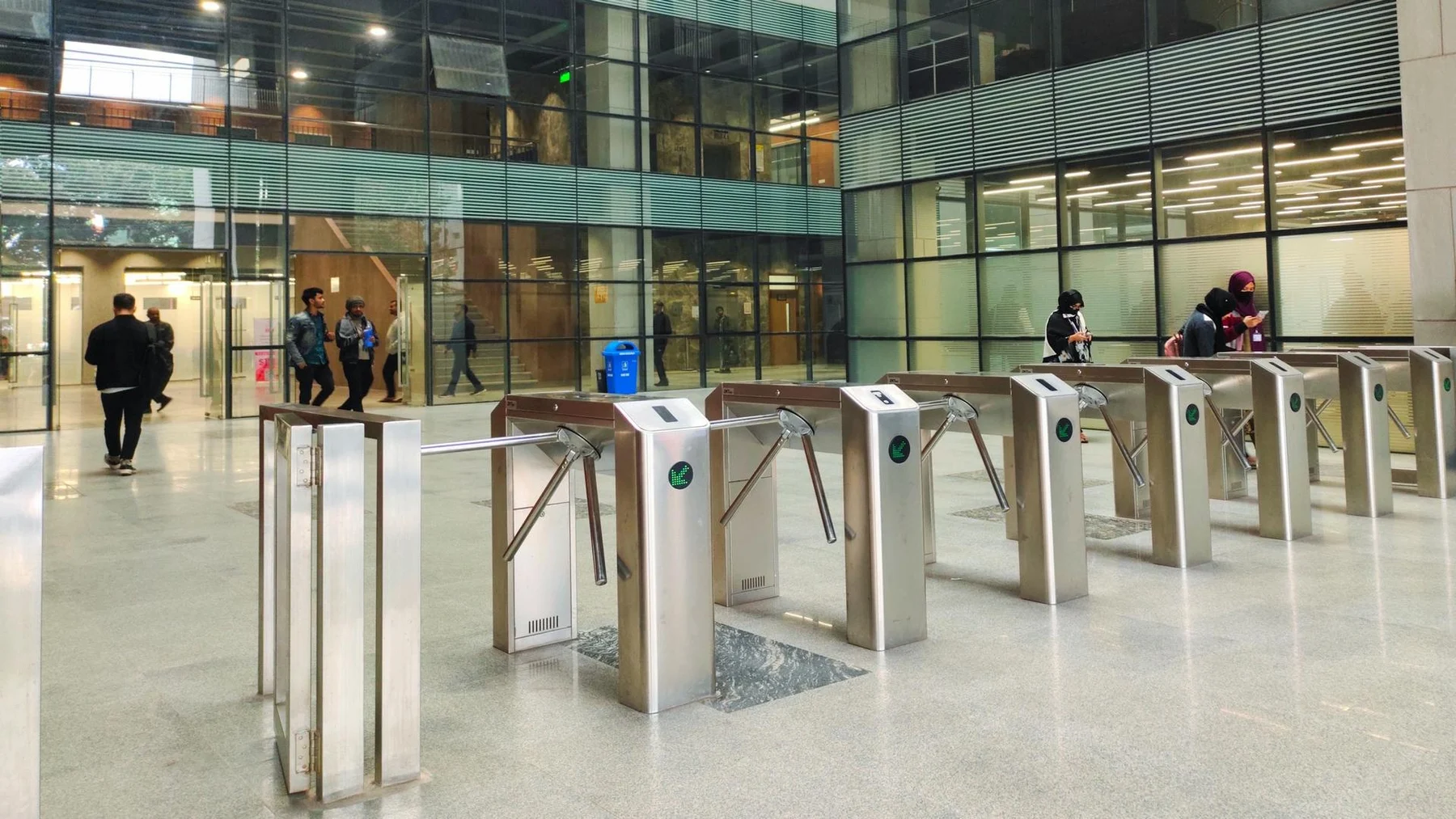
The Ironwood upgrade introduces several new features intended to strengthen Zcash’s privacy and security. One of the most notable changes is the implementation of a turnstile mechanism at the boundary of the shielded pool. This mechanism ensures that the total amount withdrawn from the pool cannot exceed the amount that was verifiably deposited, effectively trapping any counterfeit coins that may exist within the pool. This approach leverages the public nature of deposits and withdrawals, even though internal transactions remain private.
In addition to the turnstile, Ironwood incorporates quantum-resilient record-keeping and formally verified proof circuits. The quantum-resilient feature is designed to ensure that records remain recoverable even if quantum computers eventually break current cryptographic protections, as specified under ZIP 2005. Formal verification of the proof circuit aims to produce mathematical guarantees that the software behaves correctly in all possible cases, reducing the risk of similar bugs in the future. These enhancements represent a proactive response to the vulnerabilities exposed by the Orchard bug, although their effectiveness will depend on user adoption and migration to the new pool.
Migration Process and User Implications
Migration from the Orchard pool to the new Ironwood pool is voluntary and user-driven. According to CoinDesk, as of the time of reporting, only 1,500 ZEC had moved into the new pool, indicating that the bulk of Zcash’s private supply remains in Orchard. The pace of migration will determine how quickly the network’s private supply transitions to the new, more secure environment. Users must manually move their coins across the turnstile, and the only route out of Orchard is through this mechanism, which enforces strict withdrawal limits.
For Zcash users, the migration process presents both opportunities and challenges. Moving funds to the new pool allows users to benefit from enhanced security features, including quantum resilience and formally verified proof circuits. However, the voluntary nature of migration means that users must stay informed and make decisions based on their own risk assessments. The uncertainty surrounding the bug’s exploitation and the lack of official confirmation add complexity to the situation, making it essential for users to monitor official communications and updates.
Potential Impact and Remaining Uncertainties
The reported bug in Orchard’s proof circuit represents a significant theoretical risk to Zcash’s shielded supply. If exploited, it could have allowed the creation of undetectable counterfeit coins, undermining trust in the protocol’s privacy guarantees. CoinDesk’s research found no evidence of exploitation, as the pool’s balance increased steadily and no abnormal withdrawals were detected. Nevertheless, the zero-knowledge proof system’s confidentiality means that definitive proof of non-exploitation is unattainable, leaving lingering uncertainty.
The Ironwood upgrade’s turnstile mechanism addresses this uncertainty by ensuring that only verifiably deposited coins can be withdrawn. Any counterfeit coins that may exist are effectively trapped within the sealed pool. However, the actual impact on users and the network will depend on the pace and completeness of migration to the new pool. The lack of official confirmation regarding the bug and its exploitation means that users and stakeholders must remain cautious and await further information from authoritative sources.
Market Response and Future Outlook
CoinDesk reported that ZEC traded near $463 ahead of the Ironwood upgrade, experiencing an 8% drop on the day and a 15% decline over the week, though it remained up tenfold over the past year. The market’s reaction reflects uncertainty and caution among participants, likely influenced by the reported bug and the transition to the new pool. The key metric to watch is the rate at which the 3.66 million ZEC migrates from Orchard to Ironwood, as this will determine the restoration of confidence in Zcash’s privacy infrastructure.
Looking forward, the effectiveness of the Ironwood upgrade and the adoption of its enhanced security features will shape Zcash’s reputation and user trust. The voluntary nature of migration means that users must actively participate in the transition, and the lack of official confirmation regarding the bug adds complexity. Stakeholders should continue to monitor developments and await authoritative guidance to ensure the safety and integrity of their holdings.
Cexvia conclusion
Reported Bug Prompts Zcash Upgrade: What Changes Now and Next Steps
CoinDesk reported that Zcash’s Ironwood upgrade sealed the Orchard shielded pool due to a bug that could have allowed counterfeiting of ZEC, but this is not officially confirmed. The new mechanism restricts withdrawals to verifiable deposits, and the migration of funds is voluntary. The actual impact and whether the bug was exploited remain unconfirmed.
- Risk meaning
- The reported vulnerability in Orchard’s proof circuit, if exploited, could have undermined the integrity of Zcash’s shielded supply by allowing undetectable counterfeit coins. The Ironwood upgrade aims to mitigate this risk by enforcing strict withdrawal limits and introducing quantum-resilient and formally verified proof circuits. However, since exploitation has not been confirmed, the primary risk remains theoretical, pending further investigation or official statements.
- User action
- Zcash users with funds in the Orchard shielded pool should monitor official communications for confirmation and guidance. Migration to the new pool is voluntary, but users are advised to consider moving their assets to benefit from enhanced security features and withdrawal controls. Users should remain vigilant for updates regarding the bug’s status and any potential impact on their holdings.
Continue reading