Prediction-market oversight
CFTC warns event-contract exchanges against broad template-style self-certification
The CFTC’s Division of Market Oversight says designated contract markets must provide contract-specific settlement, data-source and core-principles analysis instead of bundling many possible event markets into a generic filing.
What the CFTC said
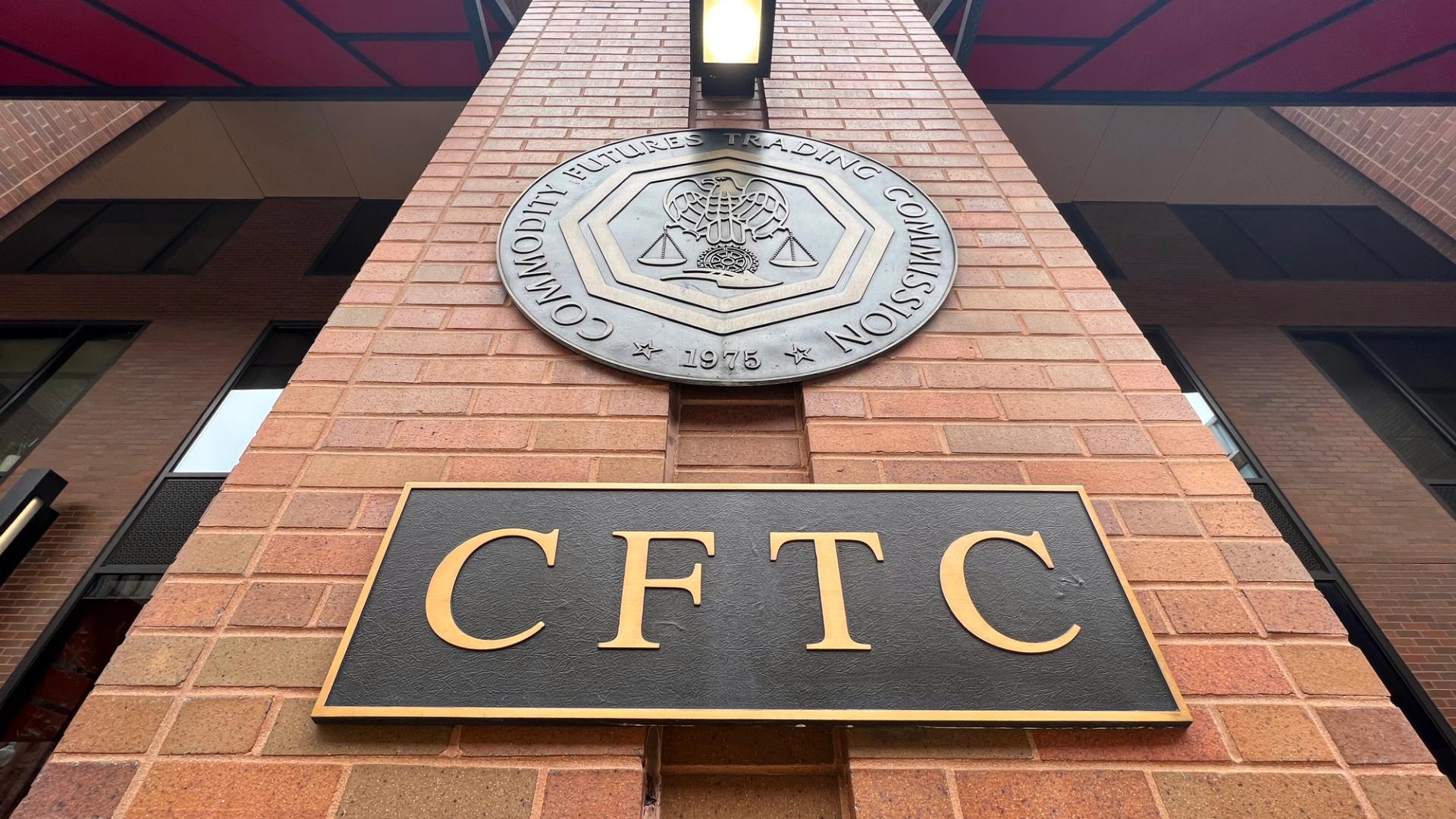
On July 24, the Commodity Futures Trading Commission’s Division of Market Oversight issued an advisory on the self-certification of event-contract series. The division said it had concerns about filings that use a broad template to cover many possible variations of future markets. When a filing describes a category in the abstract rather than the contracts an exchange intends to list, staff may be unable to determine whether the exchange supplied the information and analysis required by Commission Regulation 40.2.
The advisory focuses on three practical questions: how a contract settles, which data sources determine the result and how the product complies with the CFTC’s core principles. It says broad template-style certifications should not be submitted. Closely related contracts may still be handled as a class in appropriate circumstances, and an exchange may seek formal approval under Regulation 40.3, but the filing must give the regulator enough detail to evaluate what will actually trade.
How self-certification works
A designated contract market does not ask the CFTC to design every product. Under the self-certification route, the exchange represents that a new contract complies with the Commodity Exchange Act and CFTC regulations, supplies the required materials and may list it after the applicable review period unless the agency intervenes. This process supports product innovation, but it places the first responsibility for legal and market-integrity analysis on the exchange.
That structure is why the word certification can mislead retail users. It describes a regulated filing mechanism, not a warranty that the CFTC predicts fair pricing, approves the event, guarantees settlement or compensates losses. The regulator can request information, object, review or take later action, while the exchange remains responsible for the rules it submitted. A product’s presence on a federally registered venue therefore reduces some operator risk but does not eliminate product-specific design risk.
Why settlement and source data matter
Event contracts convert a real-world outcome into a financial settlement. The market therefore needs an objective question, a defined observation window, an authoritative source and a process for corrections or ambiguous results. A contract about an election, sports award, economic release or corporate event may appear simple in a headline, yet the official result can be delayed, revised, contested or published by more than one body.
A generic template cannot always resolve those differences. One contract may rely on a government database, another on a private league, and another on a vote whose rules allow recounts or substitutions. If the source goes offline or changes its methodology, the exchange must know which fallback applies. Detailed filings help the regulator test whether the contract can be administered consistently and help users understand the exact condition that pays out, rather than trade an intuitive but legally irrelevant interpretation.
Market integrity and insider information
Some event markets are unusually sensitive to information held by a small group. A league employee may know an award result, a company officer may know whether a transaction will close, or an official may influence a discretionary decision. The CFTC advisory does not create a new retail ban, but its demand for contract-level core-principles analysis increases the importance of surveillance, position limits, eligibility rules and controls on material non-public information.
Manipulation risk is also different across events. A national election is difficult for one trader to change, while a narrowly defined contest or administrative decision may depend on one participant. The exchange must consider whether the contract itself creates an incentive to influence the underlying event. A credible filing should explain monitoring and enforcement rather than rely on a statement that the platform is regulated. Users should assume that liquidity and surveillance quality vary by contract even within the same venue.
Likely effect on platforms and product launches
The clearest near-term effect is documentation. Registered event-contract exchanges will need to connect each proposed market to a sufficiently specific filing or use an approval route when the product does not fit a defensible class. That can lengthen internal review, reduce rapid copy-and-paste launches and lead a platform to avoid markets whose settlement or integrity case is difficult to explain. It can also improve consistency between the contract users see and the analysis regulators receive.
The advisory does not name a platform in the release and should not be converted into an accusation against Kalshi, Crypto.com, Polymarket or another operator without separate evidence. Their legal structures and product routes differ. Some are CFTC-registered designated contract markets, some reach users through intermediaries and some operate under different frameworks. Cexvia records the advisory as a perimeter-wide supervisory event, then assesses any platform-specific filing, restriction or enforcement action separately.
Questions users should answer before trading
Users should begin with the contract, not the marketing headline. Identify the legal venue, the customer-facing intermediary, the settlement source, the cutoff time, the treatment of corrections and the process for a disputed outcome. Check whether the platform can void trades, substitute a source or settle early. Save the rules shown at execution because a later website update should not be the only record of the bargain the user accepted.
Position size should reflect information asymmetry as well as price volatility. Markets decided by a small panel, discretionary official or private organization deserve more caution than outcomes produced by broad public data. Users should also separate platform registration from product suitability: a regulated exchange can list a contract that remains highly speculative. The advisory improves the regulator’s ability to review filings, but it does not replace the user’s need to understand the payout condition and maximum loss.
Cexvia conclusion
Event-contract platforms can keep listing products, but each market now needs a defensible compliance file
The advisory is an official supervisory signal about filing quality, not an enforcement order and not a prohibition on prediction markets. It narrows the procedural shortcut available to registered exchanges when they list event-contract series.
- Risk meaning
- Users should expect slower or more selective product launches where settlement rules, source data or manipulation controls are difficult to explain. Contracts already visible on a platform are not automatically approved by the CFTC merely because the exchange submitted a self-certification.
- User action
- Before trading, read the contract rules, identify the settlement source and dispute process, and avoid treating federal registration as a guarantee of a particular outcome. If the market depends on subjective decisions or information known to a small group, reduce position size and preserve the exact rules displayed when the trade was made.
Continue reading