Regulatory Risk
CFTC Innovation Advisory Committee Addresses Emerging Prediction Market Risks
According to CNBC reporting, the Commodity Futures Trading Commission's Innovation Advisory Committee convened its inaugural meeting to discuss regulatory frameworks for prediction markets, where industry leaders debated self-certification rules, potential insider trading vulnerabilities, and enhanced consumer safeguards. This development is not officially confirmed by independent regulatory dockets.
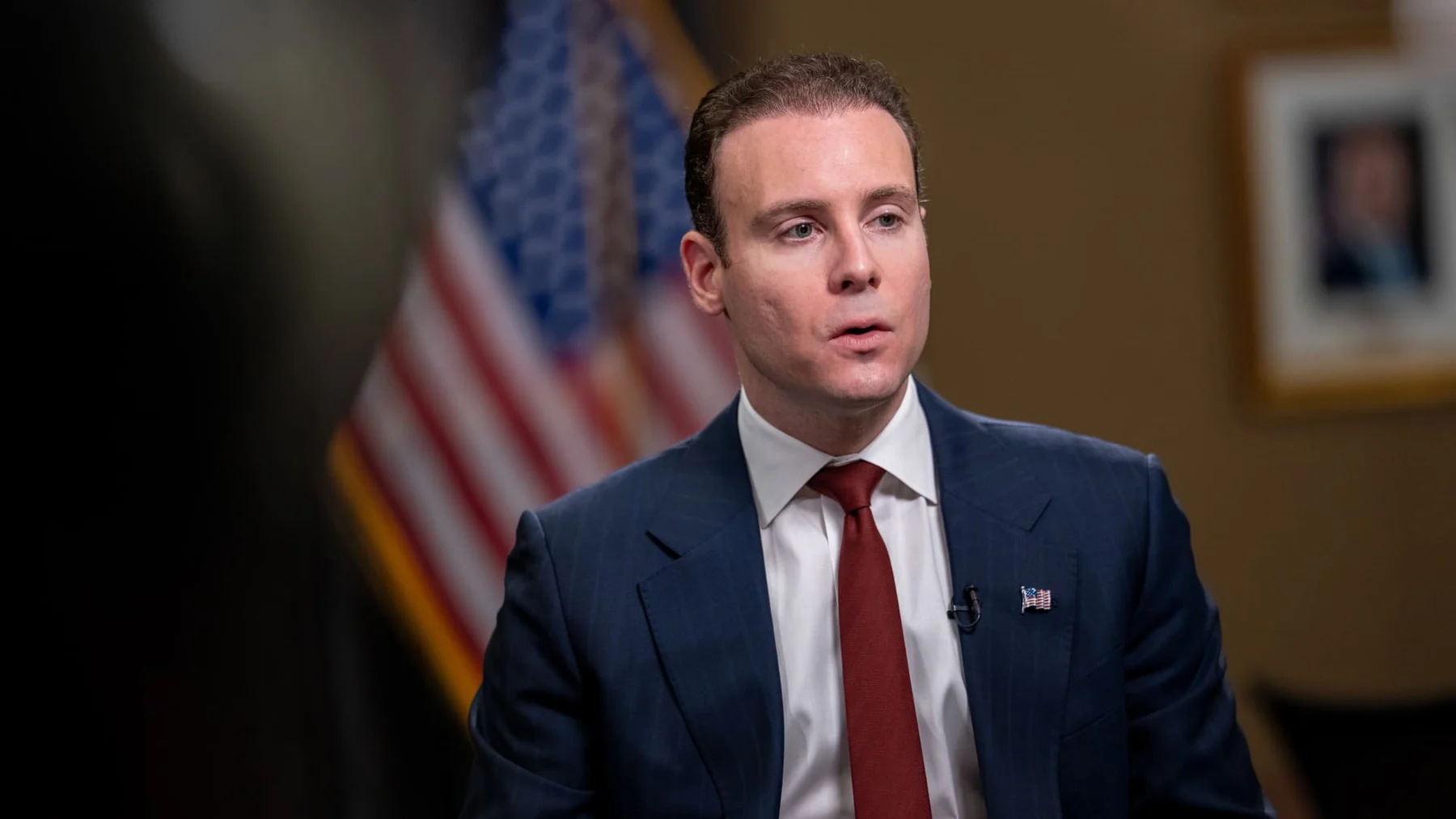
Inaugural Advisory Committee Convenes
According to reporting published by CNBC, the Commodity Futures Trading Commission convened its first Innovation Advisory Committee meeting to address the evolving regulatory landscape surrounding prediction markets. The gathering brought together over thirty prominent members, featuring top executives from major digital asset exchanges, traditional financial institutions, and specialized derivatives platforms. Representatives from entities such as Polymarket, Kalshi, Robinhood, and Nasdaq participated in the extensive discussions, reflecting the growing intersection between traditional financial oversight and emerging decentralized financial instruments.
While initial segments of the committee proceedings touched upon broader artificial intelligence applications and general cryptocurrency regulations, the most intense debates quickly gravitated toward the rapid expansion of prediction markets. Committee leadership emphasized the necessity of incorporating diverse industry perspectives into federal regulatory decision-making processes. Observers noted that the timing of this high-level forum coincides with heightened state-level scrutiny and ongoing jurisdictional disputes regarding the classification of event-based contracts under existing federal commodities statutes.
Self-Certification and Market Manipulation Debates
During the proceedings reported by CNBC, CME Group Chairman and Chief Executive Officer Terry Duffy raised significant concerns regarding the self-certification mechanism permitted under the Commodity Exchange Act. Duffy pointed out that prediction market platforms possess the statutory ability to propose, file, and certify event contracts independently without securing prior approval from the federal agency. Highlighting thousands of self-certifications recorded since early 2025 without direct federal opposition, Duffy argued that this streamlined process inadvertently leaves modern trading venues vulnerable to market manipulation and potential core principle violations.
In direct response to these assertions, Kalshi co-founder Luana Lopes Lara defended the self-certification framework, arguing that speed is essential for maintaining efficient markets around timely real-world events. Lopes Lara maintained that platform operators require the flexibility to list timely contracts rapidly to serve user demand effectively. The exchange of perspectives escalated as participants debated historical instances of insider trading, referencing recent federal investigations and arrests tied to prediction market wagers on political statements and geopolitical developments.
Scrutiny Focused on Specialized Mention Markets
The advisory committee discussions also turned toward specialized contracts known as mention markets, where participants speculate on specific words or phrases uttered by public figures during speeches, press conferences, or corporate earnings calls. Robinhood co-founder and Chief Executive Officer Vlad Tenev joined other industry leaders in expressing apprehension regarding the susceptibility of these niche contracts to insider exploitation. While stopping short of demanding an outright prohibition, Tenev urged federal regulators to conduct a comprehensive examination of how mention markets operate and how participants might improperly leverage non-public information.
Industry analysts cited in the media coverage noted that mention markets represent a unique intersection of entertainment, media consumption, and financial speculation, making standard surveillance methodologies difficult to apply. The involvement of individuals with direct access to corporate executives or political speeches creates acute compliance challenges. Consequently, regulatory authorities face mounting pressure to establish clear boundaries defining acceptable speculative behavior without stifling legitimate financial innovation within the digital asset ecosystem.
Three-Part Regulatory Roadmap Proposed
According to the coverage provided by CNBC, Commodity Futures Trading Commission Chairman Michael Selig outlined a structured three-part regulatory roadmap during his introductory remarks at the meeting. The first phase of this proposed strategy involves advancing previous regulatory proposals aimed at refining the precise categories of event contracts that the federal agency holds the authority to prohibit. Selig emphasized the critical necessity of clearly defining terms such as gaming and establishing transparent public interest criteria to prevent arbitrary administrative actions against designated contract markets.
The subsequent steps of the outlined roadmap focus on modernizing reporting frameworks for fully collateralized event contracts and introducing stricter amendments governing how designated contract markets list these specialized financial products. By strengthening consumer protection requirements, the regulatory leadership aims to construct a resilient oversight architecture. This comprehensive roadmap emerges amid broader governmental dialogues involving cryptocurrency executives, securities regulators, and ongoing state-level legal confrontations concerning state jurisdiction over federally registered prediction platforms.
Conclusion and Outlook on Unconfirmed Proceedings
In conclusion, the reported Commodity Futures Trading Commission Innovation Advisory Committee meeting highlighted significant regulatory friction surrounding prediction markets, self-certification mechanisms, and mention markets. The affected entities include prominent trading venues such as Polymarket, Kalshi, Robinhood, and CME Group, alongside retail and institutional market participants engaging in event-based speculation. It must be noted that these reported deliberations and proposed regulatory roadmaps are not officially confirmed by formal agency rulemaking documents at this time, leaving the ultimate implementation timeline uncertain.
Looking ahead, market participants and affected entities must monitor upcoming federal regulatory actions and prepare for potential compliance adjustments. The next required action for platforms and traders is to review internal risk management protocols regarding event contracts and engage with legal counsel to assess the trajectory of upcoming consumer protection mandates. Stakeholders should separate reported committee debates from established federal policy until official regulatory changes are formally promulgated through standard administrative channels.
Cexvia conclusion
Regulatory Trajectory and Immediate Next Steps
According to CNBC, the advisory committee session highlighted severe regulatory friction regarding self-certification mechanisms for event contracts and specialized mention markets. Affected entities include major trading platforms such as Polymarket, Kalshi, Robinhood, and CME Group, along with retail and institutional traders participating in these decentralized speculation venues. This report is not officially confirmed.
- Risk meaning
- The reported deliberations signal potential shifts in federal oversight, particularly regarding how rapidly prediction platforms can deploy new event contracts without preliminary regulatory clearance. Increased scrutiny on mention markets and insider trading exposure could significantly alter product availability and compliance costs across the digital asset and derivatives sectors.
- User action
- Market participants utilizing prediction platforms should monitor upcoming regulatory announcements closely, evaluate the compliance status of specific event contracts, and prepare for potential operational adjustments resulting from new consumer protection mandates or reporting framework modernizations.
Continue reading