Regulatory Action
CFTC Orders Kalshi to Maintain New York Operations Following State Lawsuit
CoinDesk reported that the U.S. Commodity Futures Trading Commission utilized emergency authority to direct prediction market operator Kalshi to continue offering services in New York, following a state-level lawsuit seeking a shutdown. This unfolding development has not officially confirmed broader federal preemption boundaries.
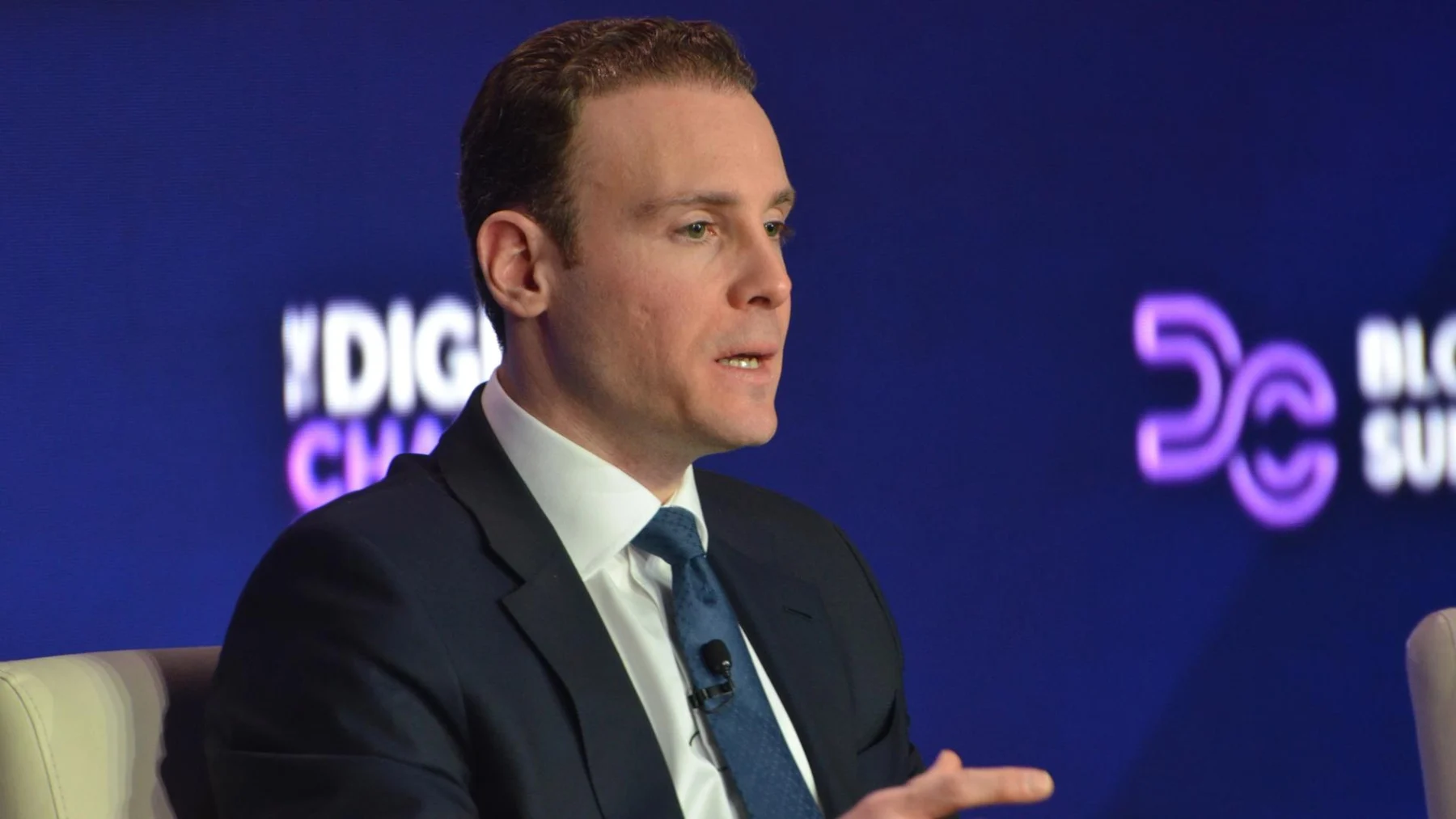
Federal Intervention Amid State Litigation
According to reporting published by CoinDesk, the U.S. Commodity Futures Trading Commission stepped into a brewing jurisdictional dispute by issuing an emergency directive. This administrative order commands prediction market operator Kalshi to maintain its operational presence within the state of New York, directly countering aggressive local maneuvers. The federal agency exercised specialized emergency authority after the platform sought urgent federal intervention, highlighting the escalating pressure faced by digital asset and derivatives platforms operating across multiple domestic jurisdictions without uniform statutory harmony.
The reporting highlights that the underlying conflict ignited when state authorities initiated formal legal action to restrain sports-related event contracts. By challenging the platform's ability to offer localized contracts, the state regulatory apparatus sought to enforce traditional gambling oversight frameworks. The federal commission's swift countermeasure demonstrates a fierce institutional defense of federally cleared derivatives products, setting up a high-stakes constitutional test over who holds ultimate authority to supervise modern financial exchange infrastructure operating seamlessly across state lines.
Clash of Statutory Frameworks and Authorities
CoinDesk noted that the public disagreement underscores a fundamental philosophical and legal divide between federal commodity laws and state-level gaming statutes. State officials argue that prediction markets functioning as sports betting venues must secure local licenses and contribute to public tax revenues supporting community programs, public education, and problem gambling initiatives. From this perspective, unpermitted offerings undermine local consumer protection and evade mandatory tax obligations imposed on traditional mobile wagering operators and commercial casinos within the state.
Conversely, federal regulators reject the application of localized gaming restrictions to financial exchanges. Commission leadership asserted that Congress never intended for federally regulated derivatives markets to be fractured by a patchwork of conflicting state gambling laws. Because these platforms match interstate bids and offers through centralized clearinghouses, federal officials maintain that individual states possess no legitimate jurisdiction to regulate interstate financial instruments, framing the state-level enforcement as an overreach that threatens national market efficiency.
Procedural Battles and Judicial Venue Motions
The reporting details a complex procedural chess match taking place within the judicial system as both sides attempt to secure favorable courtroom venues. Kalshi previously attempted to block local authorities from filing restrictive lawsuits through federal court proceedings, but a federal judge ultimately ruled against that preliminary bid. Following that setback, state prosecutors officially filed their complaint, prompting the platform to execute a procedural maneuver to transfer the entire litigation away from state tribunals and into federal jurisdiction.
In response, local state attorneys filed counter-motions to remand the case back to state courts, leaving both procedural requests pending before a judicial officer. This procedural wrangling dictates the immediate operational reality for market participants. While the federal emergency directive keeps doors open for now, the final determination regarding whether state gaming laws can restrict federal event contracts depends heavily on which court system ultimately retains jurisdiction over the substantive legal questions.
Precedents in Other States and Regional Divergence
CoinDesk pointed out that this confrontation is not an isolated incident, mirroring similar regulatory battles fought in other jurisdictions across the country. In a prior regional dispute involving Michigan, federal regulators similarly intervened to protect the platform's ability to serve local residents after a local court ruled in favor of state restrictions. However, that regional conflict demonstrated the practical friction of split enforcement, as internal corporate compliance units had to hastily unwind specific contract positions to comply with immediate local judicial decrees despite federal backing.
These regional divergences highlight the precarious position occupied by modern financial technology firms attempting to scale innovative products nationwide. When federal approvals clash directly with aggressive state-level enforcement, platforms face operational whiplash. The lack of regulatory harmony leaves both institutions and retail participants vulnerable to sudden disruptions, forcing compliance teams to constantly recalibrate risk exposures and alter product offerings on a state-by-state basis while waiting for definitive Supreme Court or congressional guidance.
Wider Market Reactions and Industry Environment
According to market coverage compiled alongside the core news feed, the broader digital asset and prediction market ecosystem continues to navigate a turbulent regulatory landscape marked by concurrent legal challenges and token volatility. While mainstream market participants monitor macroeconomic indicators such as binary consumer price index prints and token infrastructure disruptions, policy-focused developments remain a dominant driver of sentiment across decentralized financial exchanges and derivatives platforms.
The ongoing expansion of prediction markets into mainstream financial discourse has attracted intense scrutiny from both financial watchdogs and consumer protection advocates. As commercial entities attempt to tokenize diverse real-world events and alternative asset classes, regulatory authorities are increasingly pressured to establish clear boundaries. The Kalshi standoff serves as a bellwether for the entire sector, illustrating how institutional innovation frequently collides with entrenched statutory definitions designed for traditional brick-and-mortar financial and gambling institutions.
Conclusion and Impact Assessment
In conclusion, CoinDesk reported that the Commodity Futures Trading Commission issued an emergency order compelling prediction market operator Kalshi to maintain its operations in New York following a state-level lawsuit filed by Attorney General Letitia James. This ongoing dispute directly impacts Kalshi and its New York-based user base, who face conflicting mandates from federal and state authorities. What changes immediately is the legal breathing room provided by the federal directive, allowing services to persist despite local prohibitions. However, it remains not officially confirmed whether federal preemption will ultimately invalidate state gaming jurisdiction over event contracts, as pending venue transfer motions await judicial resolution.
Market participants and platform users should exercise caution, recognizing that the current operational status is provisional and subject to sudden judicial shifts. The next action for affected entities is to closely monitor federal and state court docket filings regarding the venue transfer motions and prepare for potential compliance adjustments if the preliminary federal protections are lifted by court order.
Cexvia conclusion
Conclusion and Operational Outlook
According to CoinDesk reporting, the federal regulator intervened to protect interstate derivatives access while state authorities pursued local gambling violations, creating ongoing jurisdictional tension for platform Kalshi and New York users, which remains not officially confirmed by definitive judicial resolution.
- Risk meaning
- Regulatory fragmentation between federal agencies and state bodies threatens compliance certainty for derivatives platforms offering event contracts.
- User action
- Participants should monitor ongoing jurisdictional disputes and prepare for sudden service interruptions as state and federal courts review venue motions.
Continue reading