Regulatory Risk
Regulators and Banks Step Up Scrutiny of Prediction Markets
CNBC Top News reported that the Commodity Futures Trading Commission is conducting an internal review of prediction betting platforms regarding mention markets, a matter that is not officially confirmed.
Regulatory Investigation Overview
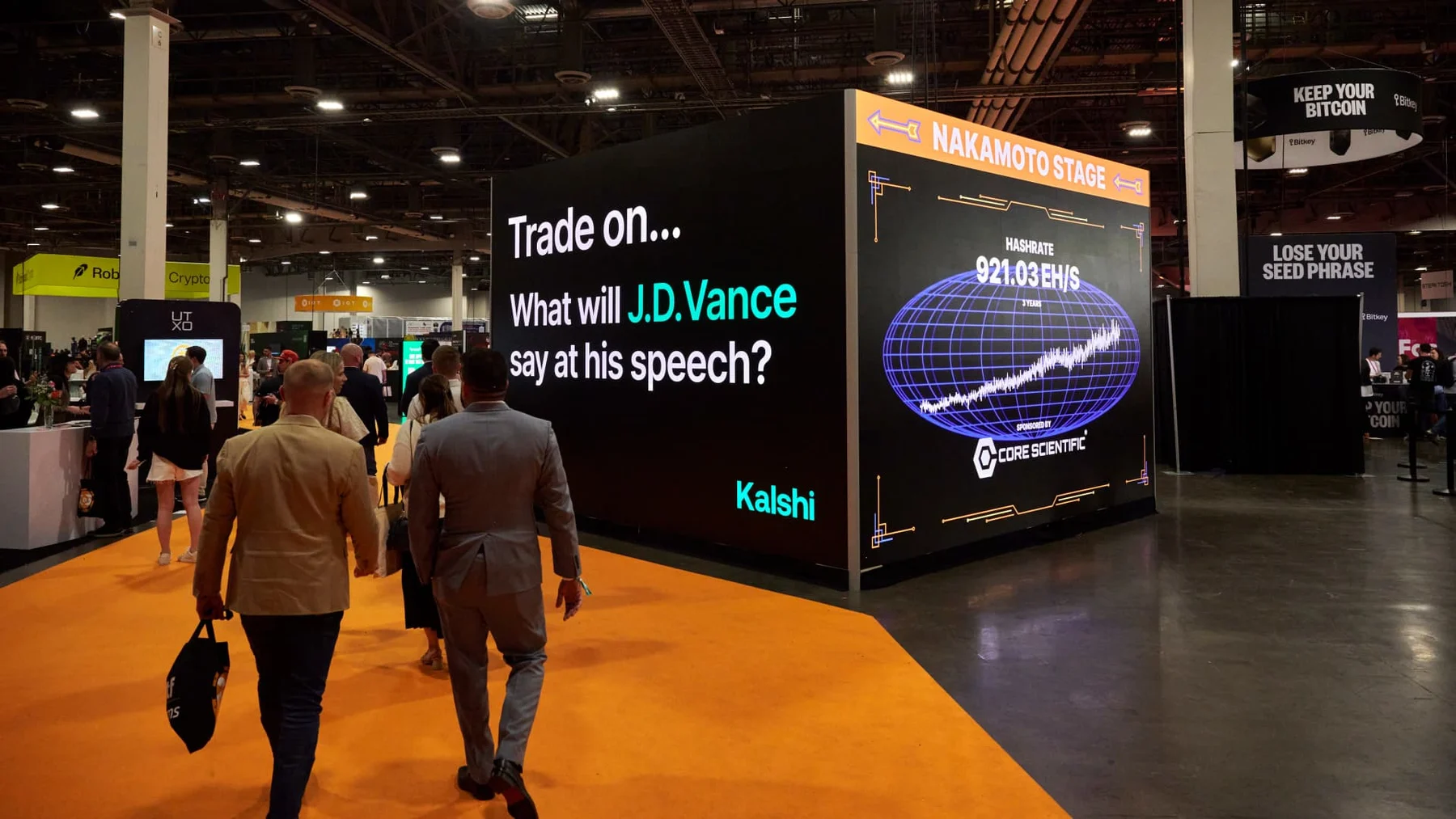
Recent media coverage from CNBC Top News indicates that federal financial regulators are paying closer attention to niche prediction contract offerings. Specifically, sources familiar with the matter informed the publisher that the Commodity Futures Trading Commission has initiated an internal examination focused on mention markets. These specialized contracts allow participants to speculate on whether particular vocabulary terms will be uttered during corporate earnings calls, public speeches, or broadcast events. Although industry observers have discussed these developments extensively, the review itself has not been officially confirmed by regulatory authorities.
The unfolding situation reflects a broader pattern of heightened interest from oversight bodies regarding how digital asset and prediction platforms structure their derivative offerings. The mention contracts in question have attracted criticism from various skeptics who point to potential vulnerabilities involving insider knowledge or deliberate manipulation. Because public figures and corporate executives wield significant influence over market sentiment, critics argue that wagers tied to spoken words introduce unique regulatory challenges. Consequently, platforms offering these products find themselves navigating an increasingly complex environment of compliance requirements and investigative inquiries.
Platform Responses and Market Adjustments
In response to the shifting regulatory climate, market participants have begun altering their product portfolios. According to reporting by CNBC Top News, prediction platform Kalshi took down its sports-related mention exchanges around the time federal officials alerted the company to the ongoing review. This swift adjustment demonstrates how sensitive digital contract operators are to supervisory signals, even before formal enforcement actions are finalized. Meanwhile, competitor Polymarket does not offer mention contracts on its federally regulated United States exchange, choosing instead to limit those specific offerings to international jurisdictions.
Despite these operational adjustments, trading volumes in mention markets have remained relatively modest compared to larger cryptocurrency or macroeconomic event contracts. Data cited in the coverage highlights that trading activity on Kalshi for these specific products reached millions of dollars in preceding weeks, remaining far below mainstream categories. Nonetheless, high-profile demonstrations by industry figures, such as public demonstrations involving random word placement during earnings calls, have continually drawn public and regulatory attention to the ease with which such contracts might be influenced by insiders.
Advisory Committees and Institutional Scrutiny
The current investigative focus coincides with upcoming deliberations by specialized advisory panels. Public schedules indicate that the regulatory commission's Innovation Advisory Committee is scheduled to discuss prediction markets alongside artificial intelligence and cryptocurrency in its forthcoming sessions. This institutional forum provides a venue for exploring how innovative financial products intersect with existing statutory frameworks. Proponents of mention markets contend that words spoken by influential leaders possess genuine economic power across traditional asset classes, thereby justifying predictive derivatives.
Simultaneously, traditional financial institutions have maintained rigorous distancing measures regarding prediction platforms. Financial Times reported that major banking institution JPMorgan had terminated banking services for Polymarket due to concerns surrounding evolving government regulations. While representatives for the prediction platform characterized their institutional relationships differently, emphasizing ongoing operational integrations and executive speaking engagements, banking sector caution underscores the broad compliance pressures facing firms operating at the intersection of traditional finance and digital wagering.
State-Level Restrictions and Jurisdictional Battles
Beyond federal inquiries, prediction platforms face an increasingly hostile legal landscape across multiple U.S. states. A Washington state judge recently issued a judicial order blocking several prominent Kalshi markets from operating within state boundaries, including mention contracts, sports wagering, and election categories. The court determined that the platform was likely operating as an illegal gambling enterprise under local statutes. This ruling makes Washington the latest jurisdiction to restrict these offerings, following similar state-level prohibitions implemented in Michigan, Nevada, and Massachusetts.
Conversely, federal regulators have sought to defend their regulatory perimeter against state-level intervention. The federal commission previously initiated legal actions against several states to assert exclusive jurisdiction over the governance of event contracts. Although a federal judge in Minnesota recently overturned a statewide prohibition attempt, the jurisdictional tug-of-war between state gambling regulators and federal commodity watchdogs continues to generate significant legal friction. These conflicting judicial rulings create a fragmented operational environment for prediction exchanges seeking nationwide availability.
Conclusion and Actionable Findings
In conclusion, media reporting by CNBC Top News highlights that the Commodity Futures Trading Commission is conducting an internal review of prediction platforms regarding mention markets. This development, which remains not officially confirmed by the regulator, affects prediction market operators such as Kalshi and Polymarket, along with retail traders and participants utilizing event contracts. The primary change centers on heightened compliance scrutiny, voluntary product withdrawals in specific categories, and expanding state-level judicial blocks. These reported events have not been officially confirmed by regulatory authorities.
Affected entities and user groups must take immediate action to protect their compliance standing and manage regulatory exposure. Traders should verify the geographic availability of specific prediction markets to avoid interacting with restricted categories in states such as Washington, Michigan, Nevada, and Massachusetts. Platform operators and market participants must closely monitor official agency communications regarding event contract standards and adhere strictly to jurisdictional limitations. All parties should recognize that while federal reviews are reported by media sources, the final regulatory posture remains not officially confirmed.
Cexvia conclusion
Regulatory Scrutiny and Future Outlook
According to media reporting by CNBC Top News, regulatory oversight of mention markets has intensified, though this development remains not officially confirmed by the agency itself.
- Risk meaning
- Increased regulatory interest creates operational uncertainties for event contract platforms and highlights compliance vulnerabilities regarding contract manipulation and state-level legal challenges.
- User action
- Traders and participants should monitor platform compliance updates, review exposure to sports and speech-based contracts, and assess jurisdiction-specific restrictions.
Continue reading