Regulatory Risk
CFTC Warns Prediction Markets Over Deficient Incentive Filings and Market Abuse Risks
According to CoinDesk reporting, the United States Commodity Futures Trading Commission issued new guidance cautioning prediction platforms such as Kalshi and Polymarket regarding procedural and substantive deficiencies in their trading incentive filings, though these allegations are not officially confirmed by the platforms themselves.
Regulatory Guidance and Reporting Context
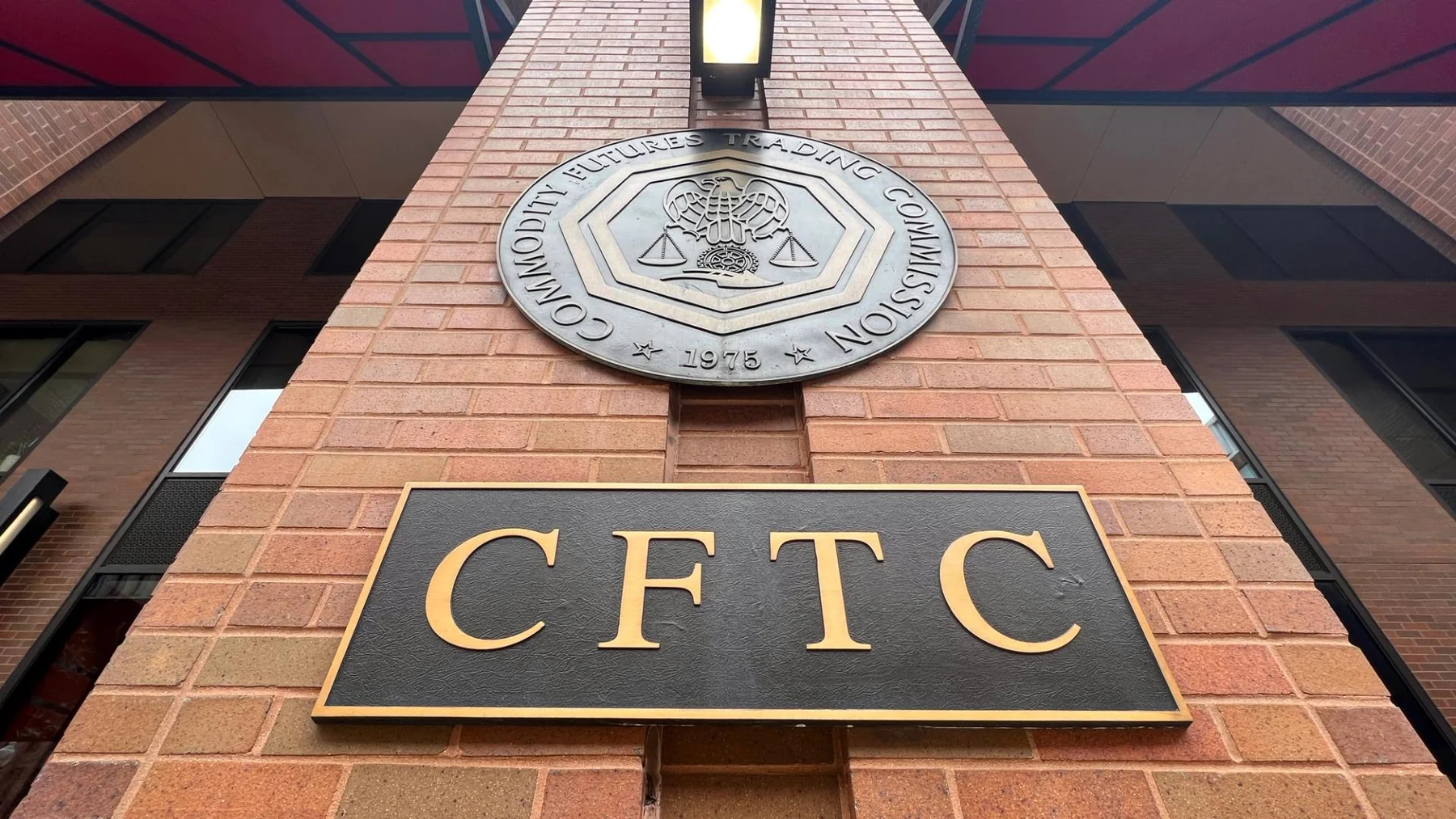
Recent media reporting published by CoinDesk highlights that the United States Commodity Futures Trading Commission has directed renewed attention toward the operational practices governing event-contract platforms. The regulatory body pointed out an observed surge in filings submitted by these entities in pursuit of specialized incentive programs designed to boost trading activity. According to the published details, many of these administrative submissions suffer from significant procedural or substantive shortcomings that obstruct proper oversight. This situation reflects a broader supervisory initiative by federal regulators to bring decentralized and alternative derivatives venues into closer alignment with established market standards.
While platforms such as Kalshi and Polymarket have experienced substantial growth in user acquisition and overall transaction volume, the supervisory framework governing their promotional mechanisms remains under intense scrutiny. The published reports indicate that the regulatory authority is particularly troubled by the growing tendency of operators to fast-track incentive applications without providing adequate notice or detailed operational evaluations. As the industry continues to expand beyond traditional financial borders, establishing rigorous compliance protocols for promotional offerings has become an urgent priority for both market participants and federal observers alike.
Incentive Structures and Market Abuse Risks
The core concern articulated in the regulatory guidance involves the potential for specific reward mechanisms to inadvertently encourage manipulative trading behaviors. As reported by CoinDesk, programs structured to compensate high-volume participants can incentivize traders to execute transactions solely for the purpose of achieving predetermined volume targets. This dynamic significantly heightens the underlying risks associated with wash trading, pre-arranged transactions, and other disruptive practices that distort true market liquidity. When financial rewards are detached from organic economic demand, the resulting price discovery mechanism loses its fundamental integrity and reliability.
Furthermore, specialized market-maker programs that guarantee net profits or cover operational losses through explicit stipends and fee rebates have also raised serious regulatory red flags. The published findings suggest that guaranteeing financial outcomes for entities responsible for providing two-sided liquidity can foster a false sense of security and incentivize aggressive, fraudulent strategies. Federal overseers maintain that market makers should operate under genuine commercial exposure rather than relying on guaranteed backstops that neutralize normal trading risks. Consequently, prediction exchanges must thoroughly re-evaluate how they compensate liquidity providers to prevent systemic market distortions.
Industry Expansion and Legal Precedents
The Commodity Futures Trading Commission has actively assumed a foundational role in fostering the domestic development of prediction markets, particularly amidst complex jurisdictional disputes. Recent public records show that the federal regulator has intervened in legal battles against state-level authorities seeking to penalize these platforms for allegedly violating local gambling regulations. By asserting federal oversight over designated contract markets, the agency aims to establish a unified regulatory umbrella that supersedes fragmented state restrictions. However, this protective stance comes with the expectation that industry participants will adhere strictly to federal compliance standards.
In addition to addressing faulty incentive filings, the regulatory agency has consistently utilized advisory publications to steer the burgeoning prediction industry. Media coverage highlights that previous warnings focused heavily on deterring shortcuts in templated contract certifications and disclosures. As prediction markets expand into mainstream financial portfolios, regulatory expectations continue to evolve rapidly. Operators can no longer rely on early-stage regulatory ambiguity to justify lax administrative procedures, as federal watchdogs demand rigorous adherence to established derivatives governance frameworks.
Market Impact and Ecosystem Reactions
The broader digital asset ecosystem has responded to these unfolding regulatory developments with heightened caution, as major market participants evaluate their ongoing exposure to event-contract platforms. Although the specific findings regarding faulty filings originate from media reports rather than direct administrative enforcement orders, trading desks and institutional liquidity providers are already auditing their internal compliance workflows. The uncertainty surrounding incentive structures has prompted several participants to temporarily scale back aggressive volume-building strategies while awaiting further clarification from federal authorities.
Simultaneously, infrastructure providers and technological partners servicing the prediction market sector are observing shifts in how platforms manage data feeds and execution logic. For instance, recent industry developments show platforms integrating advanced high-speed data services to enhance market transparency, even as regulatory pressures mount. The interplay between aggressive commercial expansion and tightening compliance mandates creates a challenging operational environment for startups and established exchanges alike, necessitating significant investments in legal and regulatory infrastructure.
Conclusion and Concrete Action Plan
In conclusion, media reporting from CoinDesk indicates that the United States Commodity Futures Trading Commission issued guidance regarding procedural and substantive deficiencies in trading incentive filings by prediction markets, though these claims are not officially confirmed. The affected entities include prediction platforms such as Kalshi and Polymarket, along with high-volume traders and market makers participating in their reward programs. What changes now is that operators must immediately review and revise their incentive submissions to ensure full transparency and regulatory alignment, moving away from volume-boosting shortcuts.
Separately, the distinction between reported regulatory guidance and confirmed enforcement actions must be maintained, as the platforms have not yet faced formal sanctions. The next action for affected users and institutional participants is to audit their platform engagement agreements, monitor upcoming compliance disclosures from federal regulators, and prepare for potential modifications in reward distribution structures.
Cexvia conclusion
Regulatory Outlook and Compliance Horizon
CoinDesk reported that the United States Commodity Futures Trading Commission issued guidance highlighting that prediction markets are submitting faulty filings for trading incentives, which is not officially confirmed. The affected entities include platforms like Kalshi and Polymarket, along with high-volume traders and market makers who participate in these reward structures.
- Risk meaning
- The reported regulatory scrutiny indicates that digital asset platforms offering event contracts face mounting compliance pressures regarding how they reward high-volume participants and subsidize market makers, potentially exposing operators to severe supervisory enforcement actions.
- User action
- Users and institutional participants utilizing prediction platforms should monitor upcoming regulatory compliance updates, review platform terms regarding volume-based incentives, and prepare for potential disruptions in reward distribution schedules.
Continue reading

