Regulatory Risk
Clarity Act Odds Soar After Reported Trump Agreement on Ethics Provisions
According to reporting published by LBank News citing Decrypt, prediction market odds for the Clarity Act jumped to thirty-one percent after reported political alignments regarding ethics requirements. This development is not officially confirmed by regulatory or legislative authorities.
Legislative Momentum and Reported Political Alignment
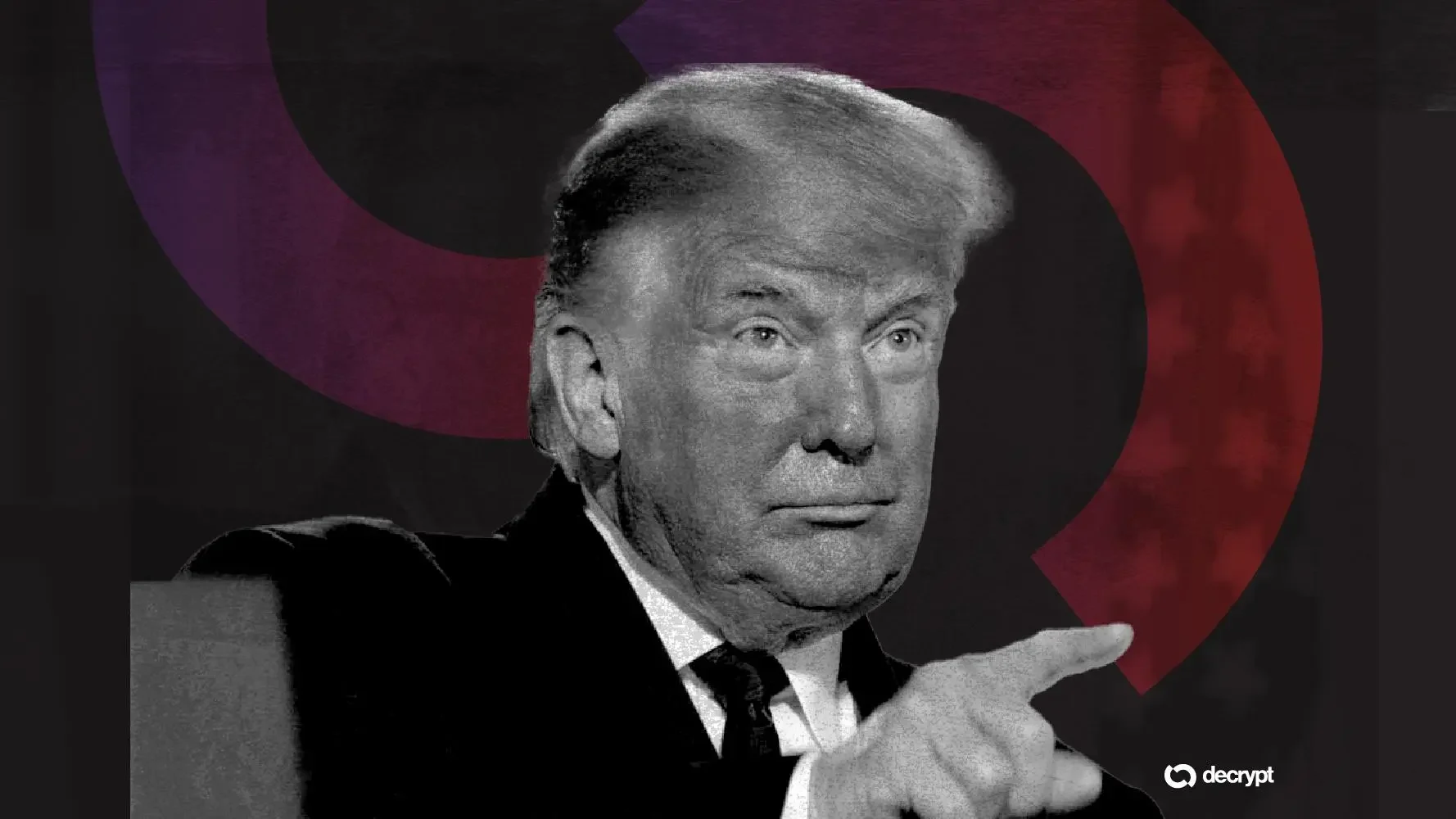
Recent publishing activity highlighted by LBank News and originating from Decrypt indicates that market sentiment surrounding comprehensive cryptocurrency legislation has experienced a notable transformation ahead of critical legislative milestones. Observers noted that prediction market metrics associated with the proposed Clarity Act advanced significantly following reports that key political figures reached a consensus regarding specific ethics provisions. These contentious provisions had previously served as a primary stumbling block preventing broader bipartisan support since earlier in the legislative session, leading many commentators to prematurely write off the regulatory initiative for the current calendar year.
The reported breakthrough involved high-level discussions addressing restrictions on digital asset activities involving elected officials and their families, a matter that had consistently troubled numerous lawmakers. While these reports stimulated renewed enthusiasm among digital asset proponents and traders, independent analysts emphasize that the underlying political agreements lack formal institutional verification. Consequently, market participants are urged to maintain a high degree of skepticism regarding the permanence of these legislative developments until official transcripts or verified legislative text confirms the reported compromises.
Senate Procedures and Potential Structural Changes
Attention has now converged squarely on the upcoming procedural votes scheduled within the United States Senate, where lawmakers must decide whether to advance the extensive legislative package to formal floor debate. Legislative analysts point out that securing the necessary threshold requires substantial bipartisan backing, especially given narrow margins and anticipated opposition from several dissenting members within the ruling alignment. The enormous length of the revised legislative text, containing hundreds of provisions requested by various congressional factions, further complicates the immediate path toward enactment and thorough review.
Substantive modifications within the latest text reportedly pull several decentralized protocols under expanded regulatory oversight frameworks managed by existing financial commissions and strict anti-money laundering standards. However, the retention of contentious ethics language without substantial dilution remains a core friction point for skeptical legislators who argue that the framework still contains significant ambiguities. Observers caution that if these procedural hurdles prevent successful advancement, comprehensive regulatory statutes for the sector could remain stalled for an extended period, shifting the burden back toward independent agency enforcement.
Market Reactions Across Major Cryptocurrencies
Financial markets demonstrated immediate sensitivity to the shifting legislative odds, with major cryptocurrency tokens posting measurable gains alongside notable shifts in derivative trading volumes and open interest metrics. Leading digital assets experienced upward price pressure as speculative capital positioned itself for a favorable regulatory outcome, though overall market direction remained tightly coupled with broader macroeconomic indicators. Specialized revenue-generating decentralized protocols and prominent altcoin sectors also recorded substantial capital inflows, reflecting heightened risk appetite among short-term traders attempting to capitalize on the news cycle.
Simultaneously, institutional investment vehicles exhibited divergent trends, with exchange-traded funds experiencing mixed capital flows across different asset classes during the same trading period. While certain digital investment products secured notable inflows, others faced steady outflows, highlighting a lack of uniform institutional conviction regarding the immediate translation of legislative headlines into sustained market valuation gains. Market makers suggest that the current pricing environment incorporates a high degree of speculative optimism that could easily unwind if upcoming political events fail to meet heightened expectations.
Broader Macroeconomic and Regulatory Context
The legislative discussions unfold against a complex backdrop of macroeconomic shifts and ongoing regulatory enforcement actions pursued independently by federal agencies. Regulatory bodies have continued exploring alternative supervisory pathways under existing statutory powers, ranging from potential updates to stock ownership recordkeeping rules to adjustments in derivative litigation strategies. These parallel administrative actions demonstrate that oversight of digital asset markets is progressing on multiple fronts regardless of whether comprehensive congressional legislation succeeds during the current session.
Furthermore, external market risks and technological debates, including discussions surrounding artificial intelligence development and recent cybersecurity incidents impacting industry platforms, continue to influence overall investor sentiment. Incidents involving unauthorized data exposure at prominent financial service providers underscore the persistent vulnerabilities present across digital ecosystems independent of legislative reform. Market analysts emphasize that participants must maintain comprehensive risk management practices to navigate these overlapping regulatory, technological, and macroeconomic uncertainties safely.
Conclusion, Unconfirmed Status, and Next Actions
In conclusion, published media reports indicate that prediction market odds for the Clarity Act rose following reported political agreements on ethics provisions, though these claims remain not officially confirmed by legislative authorities. The affected entities include digital asset market participants, institutional investors, and retail traders interacting with speculative tokens and major cryptocurrencies. What was reported involves a dramatic shift in perceived legislative momentum and political consensus, whereas what remains unconfirmed is the actual passage of the bill, the definitive text of any finalized agreement, and the voting intentions of individual lawmakers.
As the immediate next action, affected user groups and market participants must closely monitor official Senate voting proceedings and verified legislative announcements rather than relying on unconfirmed media speculation. Traders should implement strict risk controls, reduce excessive leverage, and avoid basing financial commitments on unverified legislative rumors until definitive official outcomes are formally published.
Cexvia conclusion
Conclusion and Unconfirmed Status
Legislative speculation surrounding the Clarity Act has driven significant market attention toward upcoming Senate votes and macroeconomic meetings. These developments remain unconfirmed by direct official legislative announcements. This development is not officially confirmed.
- Risk meaning
- Shifts in legislative sentiment can create sharp volatility across major cryptocurrency assets and derivative instruments, leaving market participants vulnerable to sudden sentiment reversals if political negotiations stall.
- User action
- Traders and investors should monitor official legislative calendars closely, exercise caution with leveraged positions, and avoid overextending capital based purely on unverified prediction market momentum.
Continue reading