Financial Markets
Connecticut Congressional Primary Defeat of Rep. John Larson Casts Uncertainty Over Future Social Security Reform Proposals
According to media reporting by CNBC, Representative John Larson of Connecticut, a prominent advocate for expanding Social Security, was defeated in a Democratic primary contest. The development is not officially confirmed by legislative authorities and introduces notable political shifts for upcoming federal budget discussions.
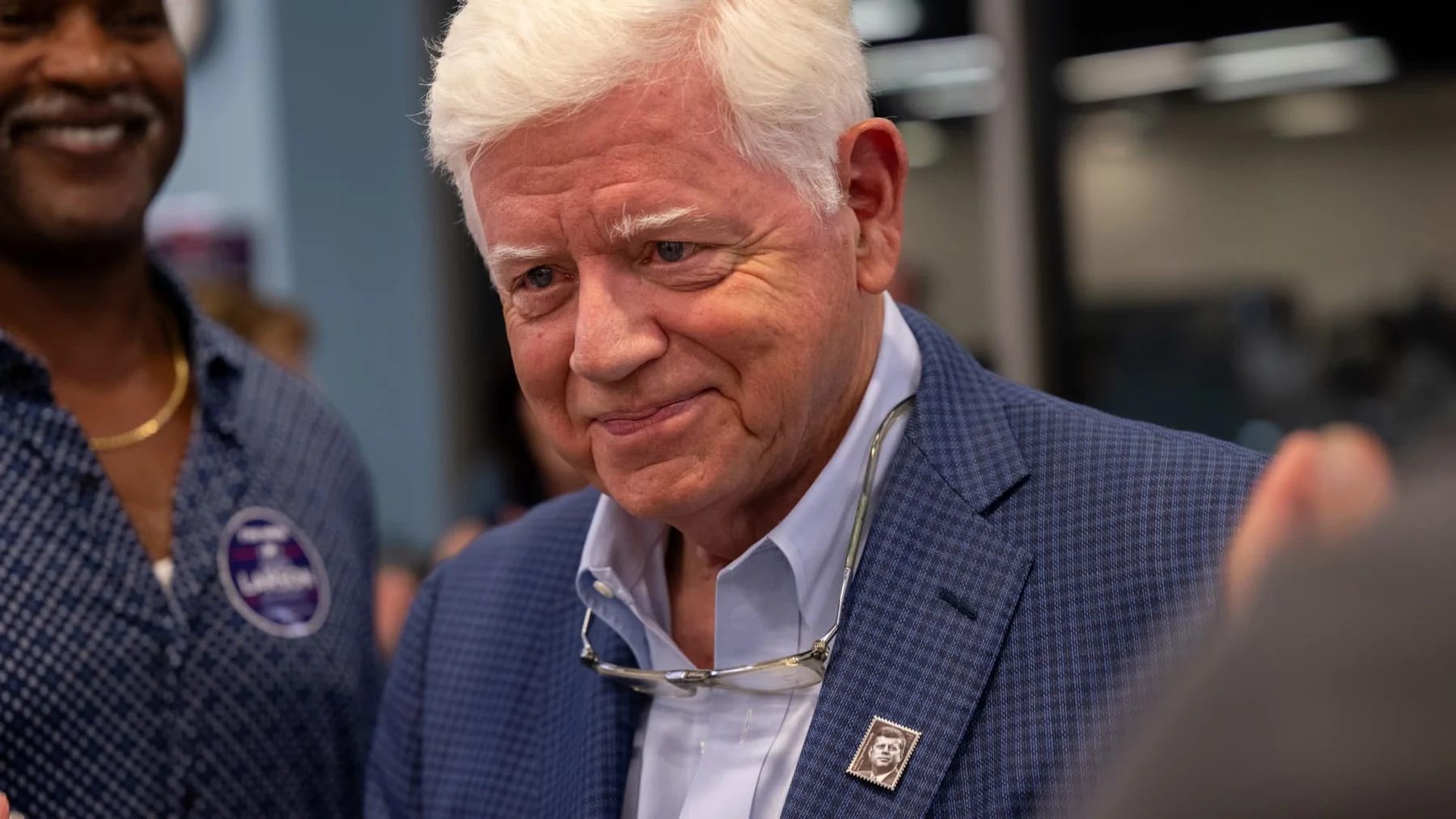
Primary Election Results and Legislative Context
Media reporting published by CNBC highlights a significant political upset in Connecticut, where long-serving Representative John Larson was defeated in a Democratic primary contest. Larson has spent decades in the House of Representatives advocating for financial security enhancements and serving as a senior member of relevant subcommittees. The unexpected outcome removes a primary legislative champion for benefit expansions from the upcoming congressional roster, forcing political analysts and advocacy groups to reassess how retirement system proposals will be managed in future legislative sessions.
The broader policy discussion centers around the impending depletion of the retirement trust funds, which nonpartisan estimates suggest could face a funding crisis within the decade. Lawmakers taking office following the November elections will inherit the responsibility of negotiating structural fixes, ranging from contribution cap adjustments to broad revenue enhancements. Without the continuous guidance of veteran sponsors who shaped previous legislative packages, the trajectory of these vital fiscal negotiations remains subject to shifting political dynamics and new congressional leadership priorities.
The Social Security 2100 Act and Proposed Reforms
For several years, Representative Larson championed the legislative package known as the Social Security 2100 Act, designed to enhance benefits while extending the overall solvency of the trust funds. The proposal encompassed various structural modifications, including an across-the-board payment increase, adjustments to cost-of-living calculations, and enhanced minimum payouts for long-term low-income workers. These measures were intended to directly address the economic pressures experienced by aging populations dependent on fixed government support.
To finance these proposed enhancements, the legislation advocated for removing the payroll tax ceiling and levying taxes on specific investment earnings for high-income earners above designated thresholds. Proponents argued that these revenue adjustments represented an equitable method to secure the program's long-term future, whereas critics raised concerns about potential economic burdens. Following the primary defeat, the future sponsorship and strategic framing of these specific tax and benefit provisions face a period of substantial uncertainty as alternative congressional leaders step forward.
Candidate Perspectives and General Election Outlook
Former Hartford Mayor Luke Bronin, who secured the Democratic primary victory, will advance to the general election to face Republican candidate Amy Chai. During the primary campaign debates, Bronin acknowledged the vital importance of protecting retirement security while expressing a pragmatic view on legislative execution. Campaign representatives indicated support for lifting contribution caps on higher earners as part of a comprehensive financial solution, while emphasizing the necessity of building broad bipartisan and public movements outside legislative chambers.
On the opposing side, Republican candidate Amy Chai outlined distinct platform points regarding government fiscal obligations and tax structures. Chai's proposals involve maintaining existing tax caps while redirecting government expenditure priorities to ensure trust fund obligations are met ahead of other budgetary allocations. As the general election campaign progresses, voters in the district will evaluate these contrasting philosophies, which reflect broader national disagreements over fiscal responsibility, taxation policy, and the long-term management of public entitlement programs.
Trust Fund Solvency and State-Level Impact Estimates
Recent projections from program trustees indicate that the primary retirement trust fund faces potential depletion within the decade, a timeline that frames the urgency of upcoming legislative decisions. Independent fiscal analysts, including the Committee for a Responsible Federal Budget, have published state-by-state evaluations detailing the potential financial impact should the trust fund exhaust its reserves without congressional intervention. These models suggest that beneficiaries across various jurisdictions could face mandatory benefit reductions if statutory reforms are not enacted in a timely manner.
For residents within Connecticut and comparable states, the estimated percentage reductions translate into substantial monthly income losses for retirees who rely heavily on government disbursements. These stark projections underline the practical significance of the ongoing political debates, moving the discussion from abstract legislative maneuvering to immediate household economics. Consequently, advocacy organizations and community leaders are intensifying educational campaigns to ensure constituents understand the stakes involved in the upcoming federal elections.
Conclusion, Findings, and Immediate Actions
In conclusion, media reporting from CNBC establishes that Representative John Larson lost his Democratic primary contest in Connecticut, a development that is not officially confirmed by legislative authorities but is documented through verified election returns. This political shift affects the affected entity, Representative John Larson's congressional office, and directly impacts the user group of retirement beneficiaries and future planners who relied on his continuous sponsorship of expansion bills. What changes now is the leadership structure and legislative sponsorship for the Social Security 2100 Act, moving the initiative to new congressional figures like Luke Bronin and alternative policy voices.
The immediate action required for stakeholders and financial planners is to monitor the evolving congressional candidate platforms ahead of the November general election while noting that comprehensive legislative overhauls remain unconfirmed pending future legislative sessions. Beneficiaries should review their personal retirement models against potential trust fund solvency adjustments while recognizing that official policy outcomes will depend entirely on the composition of the next Congress and subsequent bipartisan negotiations.
Cexvia conclusion
Conclusion and Strategic Outlook
As reported by CNBC, the unexpected primary defeat of long-serving Representative John Larson means the prominent advocate for the Social Security 2100 Act will not appear on the November ballot, a development that is not officially confirmed by legislative bodies but carries immediate implications for retirement policy debates.
- Risk meaning
- The departure of a key congressional proponent for benefit expansion could reshape how lawmakers approach the looming 2032 funding shortfall, altering legislative strategies and stakeholder lobbying efforts across the retirement planning landscape.
- User action
- Retirement savers and beneficiaries should monitor upcoming congressional debates regarding payroll tax adjustments and trust fund solvency projections, while financial advisors recommend remaining informed on potential benefit formula modifications.
Continue reading

