Financial Markets
Kalshi Traders See Low Likelihood of Major Crypto Bill Becoming Law This Year
According to reporting by CNBC Top News, participants on prediction markets view the probability of the Clarity Act passing into law in the near term as relatively low, though these market predictions are not officially confirmed by legislative outcomes.
Legislative Background and Context
The legislative landscape surrounding digital assets in the United States continues to experience significant friction despite concerted executive branch involvement and robust lobbying efforts from industry representatives. According to reporting published by CNBC Top News, the Digital Asset Market Clarity Act previously advanced through the House of Representatives with notable bipartisan support during July 2025. This proposed piece of legislation aims to establish a definitive regulatory framework governing digital commodities, dividing supervisory jurisdiction between the Securities and Exchange Commission and the Commodity Futures Trading Commission. The absence of explicit statutory boundaries has historically created operational ambiguity for market participants attempting to navigate compliance requirements across different asset classes.
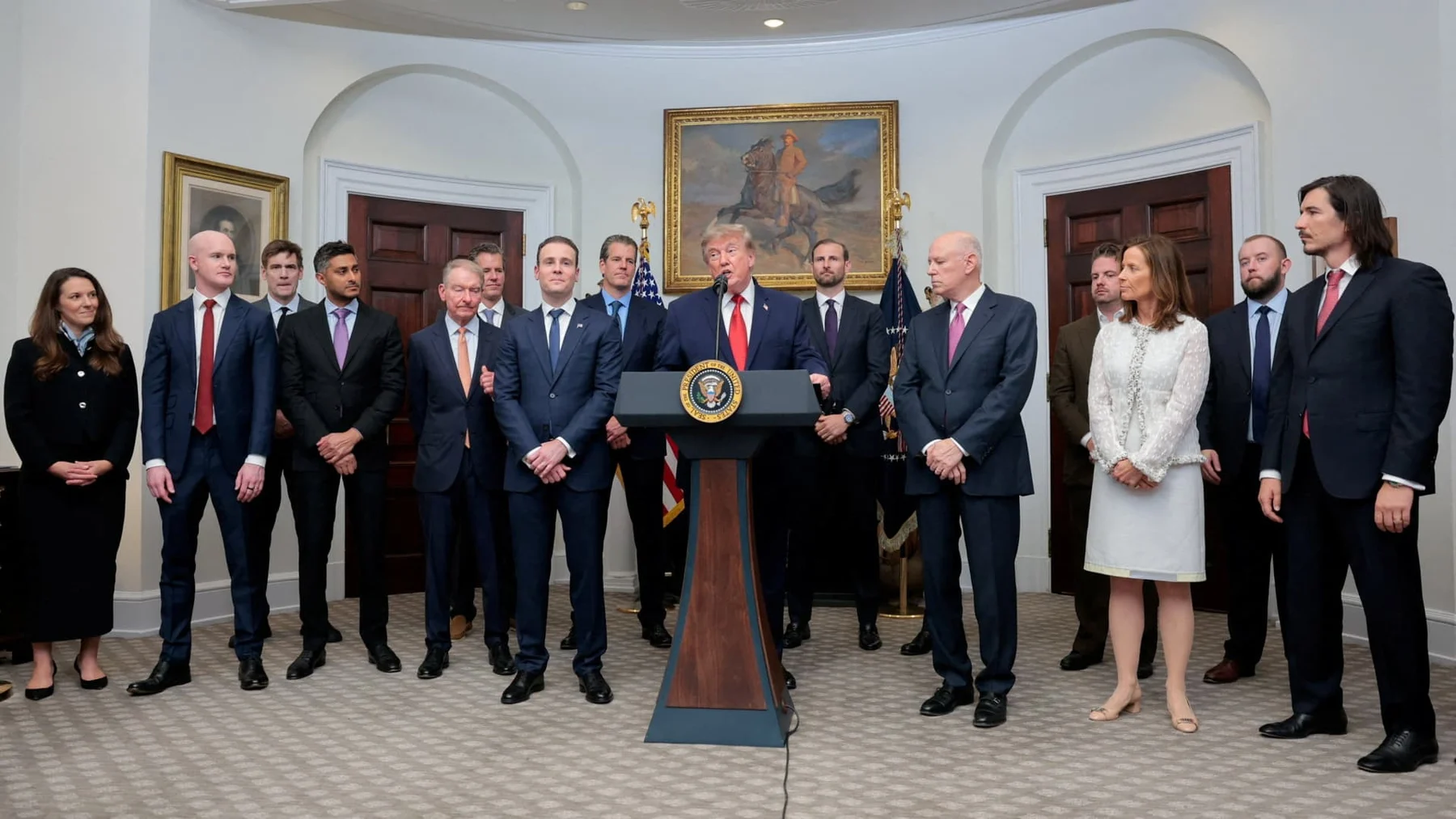
As the legislative process advances toward subsequent procedural milestones, market observers and institutional stakeholders are closely evaluating the probability of successful enactment. The White House has intensified pressure on federal lawmakers to finalize a workable version of the statute, with presidential remarks underscoring the urgency of establishing comprehensive market rules. Nevertheless, the pathway through the legislative chamber remains fraught with political friction and competing priorities among lawmakers, leading external commentators and financial analysts to question whether comprehensive statutory reform can be achieved within the accelerated timelines initially envisioned by industry advocates and executive officials.
Prediction Market Sentiment and Analysis
Market participants engaging with prediction platforms have adopted a cautious perspective regarding the immediate prospects of the proposed regulatory framework becoming law. Reporting from CNBC Top News highlights that traders utilizing the Kalshi platform estimate the likelihood of the Clarity Act clearing all legislative hurdles before the conclusion of the year at less than twenty-five percent. Furthermore, these same prediction market metrics indicate that odds for full implementation by April 2027 hover below fifty percent. This skeptical pricing persists even though broader cryptocurrency markets, including bitcoin prices, have registered notable gains exceeding twenty percent over preceding weekly trading intervals, buoyed largely by optimistic interpretations of executive branch commentary.
The disparity between short-term asset price appreciation and long-term regulatory pessimism reflects underlying concerns regarding congressional deadlock and partisan division. While industry executives and trade association representatives have maintained an active dialogue with federal regulators, prediction market participants evidently discount the likelihood of a swift legislative resolution. The cautious sentiment captured by these trading platforms suggests that professional traders and sophisticated speculators anticipate prolonged negotiations or potential legislative failure, forcing market participants to operate under existing regulatory ambiguity for the foreseeable future without immediate statutory relief.
Regulatory Agency Contingency Planning
In response to persistent legislative delays and the possibility of stalled congressional action, financial regulatory authorities have signaled intentions to pursue alternative administrative pathways. CNBC Top News reported that during a recent meeting of the Commodity Futures Trading Commission Innovation Advisory Committee, agency leadership addressed the potential necessity of independent regulatory action. Officials noted that if legislative initiatives fail to advance through the Senate due to ongoing procedural obstacles, administrative bodies may utilize their existing statutory authorities to construct supervisory regimes for digital asset markets independently.
This proactive stance from regulatory leadership underscores a growing institutional resolve to address perceived market gaps regardless of congressional outcomes. The involvement of key agency heads, including Securities and Exchange Commission Chairman Paul Atkins and Commodity Futures Trading Commission Chairman Michael Selig, in high-level discussions at the White House highlights the coordinated executive focus on digital asset oversight. However, relying on administrative rulemaking rather than comprehensive legislation could introduce prolonged legal challenges and jurisdictional uncertainty, as courts and industry stakeholders debate the limits of existing statutory mandates applied to emerging blockchain technologies.
Market Implications and Industry Engagement
The ongoing debate surrounding the legislative timeline carries profound implications for digital asset exchanges, institutional investors, and compliance infrastructure providers globally. Without a definitive statutory framework delineating the respective authorities of market regulators, exchanges operating within relevant jurisdictions must continue managing compliance strategies across fragmented enforcement actions and administrative guidelines. This operational environment requires substantial resources dedicated to legal analysis, risk management, and regulatory liaison activities to navigate shifting enforcement priorities and evolving judicial interpretations of existing securities and commodities laws.
Industry participation in the legislative process has remained robust, with representatives from prominent digital asset enterprises and advocacy organizations engaging directly with federal lawmakers and executive branch officials. Major industry stakeholders have advocated for balanced statutory provisions that foster innovation while safeguarding consumer interests and market integrity. Nevertheless, the divergence between intense industry advocacy and the pessimistic forecasts generated by prediction market participants illustrates the complex dynamics shaping the modern financial technology ecosystem and highlights the challenges inherent in achieving comprehensive bipartisan consensus on digital asset policy.
Conclusion and Strategic Outlook
In conclusion, reporting by CNBC Top News indicates that prediction market participants view the passage of major cryptocurrency legislation within the current year as unlikely, though these projections remain not officially confirmed by formal legislative votes. The affected entities include institutional market participants, digital asset exchanges, and retail investors who navigate an environment of persistent regulatory ambiguity. What changes now is the operational focus, shifting from immediate expectations of statutory clarity toward contingency planning for potential administrative rulemaking by federal agencies. The next action for market participants involves monitoring upcoming Senate procedural votes and regulatory announcements while adapting compliance frameworks to accommodate ongoing jurisdictional uncertainty.
The distinction between reported prediction market sentiment and confirmed legislative outcomes remains vital for accurate risk assessment across the cryptocurrency sector. While executive branch lobbying and regulatory agency statements point toward heightened oversight, the lack of a finalized statute means compliance obligations will continue to be governed by existing regulatory interpretations. Stakeholders must evaluate these reported developments with appropriate caution, balancing strategic growth initiatives against the reality of a protracted legislative timeline and potential administrative interventions by financial regulators.
Cexvia conclusion
Regulatory Horizon and Legislative Outlook
CNBC Top News reported that Kalshi prediction market participants assess the likelihood of the Digital Asset Market Clarity Act becoming law before the end of the year at under twenty-five percent, with implementation odds by April 2027 standing below fifty percent, a projection that remains not officially confirmed.
- Risk meaning
- The divergence between executive branch lobbying efforts and prediction market sentiment highlights persistent legislative uncertainty for digital asset compliance, affecting strategic planning across global exchanges.
- User action
- Digital asset market participants should monitor upcoming Senate procedural votes and regulatory agency announcements while maintaining flexible compliance frameworks for potential jurisdictional shifts.
Continue reading