Regulatory Risk & Strategy
OKX Executive Questions Clarity Act Passage Prospects and Warns Bitcoin Market Has Already Priced In Potential Optimism
According to CoinDesk reporting that is not officially confirmed, OKX global managing partner Haider Rafique has expressed deep skepticism regarding the passage of the Clarity Act ahead of upcoming midterm elections. The reported remarks highlight partisan dynamics in the United States Congress, suggest that positive regulatory sentiment is largely reflected in current bitcoin valuations, and detail ongoing strategic expansion initiatives alongside the Intercontinental Exchange.
Legislative Gridlock and Partisan Obstacles
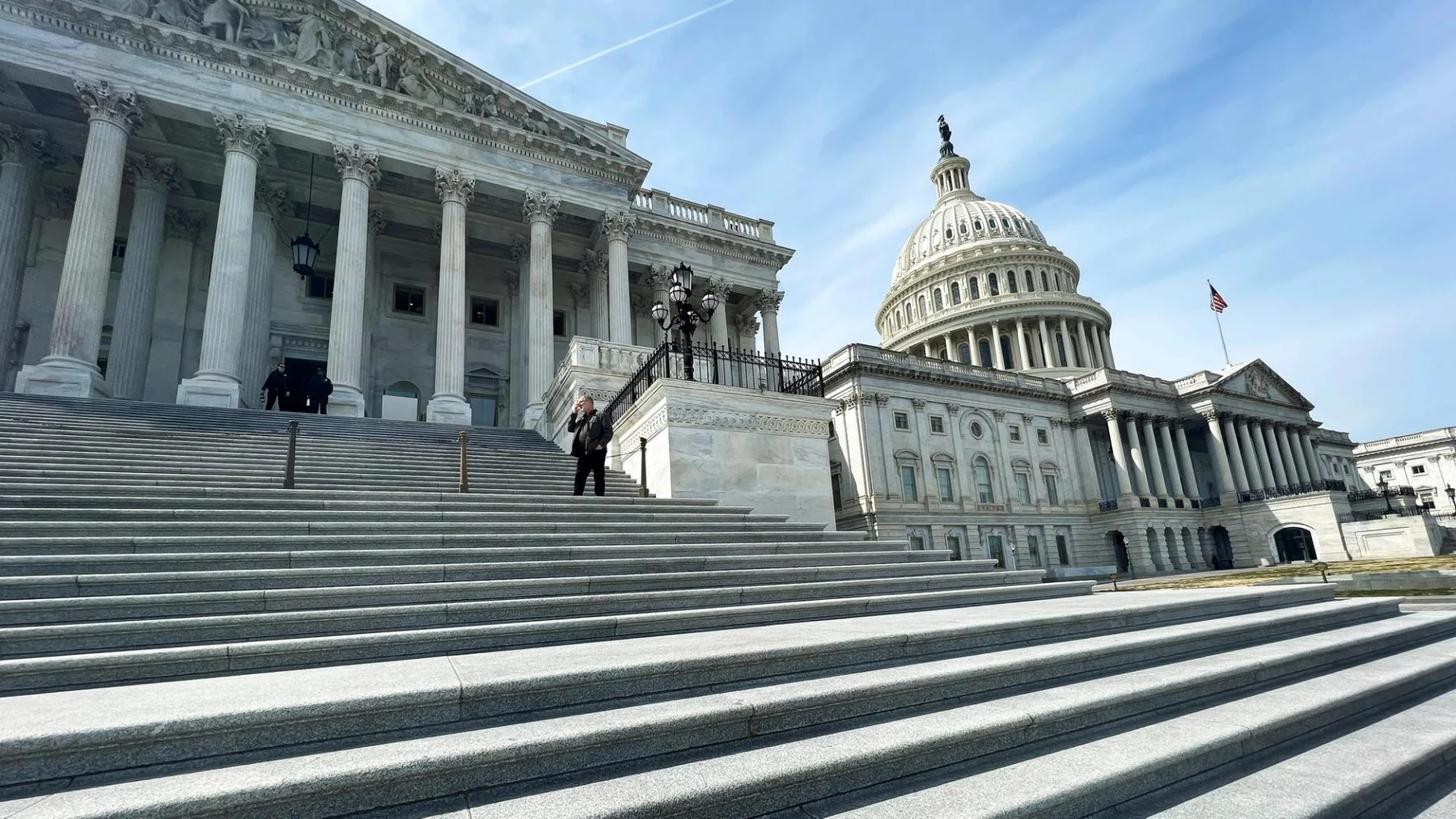
According to reporting published by CoinDesk, OKX global managing partner Haider Rafique expressed strong reservations regarding the prospects of the Clarity Act clearing the United States Congress within the current legislative window. The reporting indicates that political realities, rather than fundamental policy disagreements, constitute the primary impediment standing in the way of this landmark digital asset market structure bill. Rafique reportedly pointed out that Democratic lawmakers possess very little political motivation to deliver a significant legislative triumph to their Republican counterparts immediately prior to hotly contested midterm elections. This assessment takes into account the broader political backdrop, including intense public scrutiny surrounding political affiliations and industry contributions.
Furthermore, the reported interviews suggest that while bipartisan dialogue does occur within legislative committees, partisan calculation consistently supersedes industry lobbying efforts for comprehensive regulatory frameworks. Industry advocates have long championed the bill as an essential mechanism to establish transparent rules, foster institutional participation, and prevent domestic entrepreneurs from relocating to friendlier foreign jurisdictions. Nevertheless, political strategists on Capitol Hill appear focused on electoral outcomes rather than specialized market structure reforms. Consequently, market observers tracking these developments must weigh the possibility that comprehensive federal legislation could remain stalled indefinitely, regardless of the persistent lobbying pressure exerted by digital asset advocacy groups and major cryptocurrency enterprises.
Market Valuation Asymmetry and Bitcoin Pricing Dynamics
In addition to evaluating legislative hurdles, the reported CoinDesk coverage highlights concerns regarding how digital asset valuations currently reflect regulatory expectations. Rafique warned that the market has already factored in a substantial portion of the potential benefits that could stem from the Clarity Act becoming law. According to this perspective, if the legislation eventually overcomes political opposition and manages to pass, the immediate upward reaction for bitcoin will likely remain quite modest, with estimates pointing toward a short-term rally of approximately three to four percent. Market participants who anticipate an explosive, sustained macro breakout driven exclusively by this single piece of legislation might therefore find current price levels fully discounting the anticipated good news.
Conversely, the reported analysis emphasizes that the downside risks associated with legislative failure appear significantly more pronounced. Should the bill completely stall or fail to advance when the Senate reconvenes in September, market sentiment could deteriorate rapidly, potentially driving bitcoin prices downward toward the fifty-five thousand dollar threshold before finding substantial institutional or retail buying support. This asymmetric risk profile suggests that speculative positions built entirely around near-term regulatory catalysts carry heightened vulnerability. Traders monitoring these conditions must carefully evaluate whether current portfolio allocations adequately account for the possibility of a sharp corrective pullback should political negotiations break down completely.
Global Competitiveness and Offshore Migration Pressures
The reported commentary also addresses the broader geopolitical and economic implications of prolonged regulatory ambiguity within the United States. Rafique emphasized that without clear federal statutory guidelines, pioneering entrepreneurs, venture capital investment, and critical intellectual property will continue migrating toward overseas jurisdictions that offer predictable compliance frameworks. Companies such as Hyperliquid and Backpack were cited as examples of digital asset enterprises choosing to establish operations outside American borders due to the domestic regulatory vacuum. The argument underscores that the United States risks losing its historical technological preeminence if it fails to cultivate a hospitable environment for blockchain innovation.
According to the reported statements, establishing a modernized legal framework is vital for retaining talent and encouraging institutional capital deployment within domestic markets. While alternative financial centers across Europe, the Middle East, and Asia actively court cryptocurrency startups with tailored regulatory clarity, American policymakers remain bogged down by partisan gridlock. Industry leaders argue that failing to enact comprehensive market structure legislation does not eliminate cryptocurrency activity; rather, it merely pushes economic value and technological development beyond the reach of domestic regulators and tax authorities, ultimately weakening the long-term strategic position of the United States in the global digital economy.
Strategic Partnership Expansion with Intercontinental Exchange
Away from the contentious debates surrounding legislative prospects in Washington, the reported record details significant commercial expansion by OKX through its ongoing joint venture with the Intercontinental Exchange. This strategic alliance represents a core pillar of the exchange's long-term operational roadmap within global markets, initially centering on the distribution of high-quality ICE market data and specialized financial products to an expanding customer base reported at approximately one hundred and fifty million users worldwide. By integrating institutional-grade financial infrastructure into its existing ecosystem, OKX aims to bridge the persistent divide between decentralized digital asset trading and traditional financial market operations.
Furthermore, the reported initiatives involve close collaboration with ICE futures teams to introduce innovative derivative instruments, including perpetual futures and contracts tied to traditional asset classes across key international jurisdictions such as Europe and the United Arab Emirates. Over the longer term, the joint venture reportedly intends to deploy issuer-backed tokenized equities, spot instruments, and futures contracts directly onchain. Executive commentary highlighted that issuer-backed tokenized stocks provide a vastly superior and more sustainable market structure compared to synthetic or wrapped equity alternatives, ensuring that investors preserve identical governance and shareholder rights as holders of underlying conventional shares. Plans for subsequent expansion into event contracts and prediction markets are also under evaluation as global regulatory frameworks mature.
Compliance Evolution and Historical Context
The reported enterprise positioning of OKX occurs against the backdrop of its deliberate and structured rehabilitation within key regulatory jurisdictions. As one of the largest cryptocurrency exchanges globally, offering comprehensive spot, derivatives, and Web3 services, the company successfully resumed its active expansion strategy within the United States market following the resolution of a protracted legal dispute with the United States Department of Justice regarding historical unlicensed money-transmitting allegations. This regulatory settlement marked a pivotal turning point for the platform, enabling leadership to pivot toward institutional partnerships, transparent compliance protocols, and formalized engagement with traditional financial institutions.
This corporate evolution reflects a broader industry trend where major cryptocurrency exchanges are actively prioritizing regulatory compliance, rigorous auditing standards, and cooperative relationships with enforcement authorities to secure long-term viability. By successfully resolving past compliance hurdles, OKX has positioned itself to pursue ambitious joint ventures and technological integrations that were previously constrained by regulatory uncertainty. The ability to navigate these complex legal environments while simultaneously expanding product offerings underscores the maturation of the digital asset exchange sector, even as legislative frameworks at the federal level continue to face political roadblocks and unpredictable timelines.
Conclusion and Unconfirmed Outlook
In conclusion, this report evaluates statements attributed to OKX global managing partner Haider Rafique regarding the legislative prospects of the Clarity Act and its anticipated impact on bitcoin market valuations. The reporting highlights that political incentives among Democratic lawmakers prior to the midterm elections present a formidable barrier to passing the landmark market structure bill, with market pricing already reflecting much of the anticipated regulatory optimism. It is crucial to emphasize that these claims are based entirely on media reporting from CoinDesk and remain not officially confirmed by government officials, congressional committees, or first-party institutional announcements. The affected entities include OKX and its global user base of approximately one hundred and fifty million customers, alongside broader retail and institutional participants trading digital asset derivatives.
Looking forward, market participants must acknowledge that while the reported commentary outlines severe downside risks should the legislation stall, the actual legislative trajectory remains highly fluid. The next critical action for traders and institutional investors is to monitor congressional developments when the United States Senate reconvenes in September, maintaining disciplined risk management protocols against potential valuation corrections. Stakeholders should separate verified commercial developments, such as the ongoing Intercontinental Exchange partnership, from unconfirmed political forecasts regarding federal regulatory timelines, ensuring that trading strategies account for both regulatory uncertainty and potential macroeconomic volatility.
Cexvia conclusion
Strategic Takeaways and Unconfirmed Legislative Outlook
Based on reported media coverage that remains not officially confirmed, OKX executive Haider Rafique evaluated the legislative headwinds facing the Clarity Act and warned that market participants may experience asymmetric downside risk if the bill fails. The analysis specifically targets global crypto market participants and OKX platform users monitoring U.S. regulatory developments.
- Risk meaning
- The reported assessment introduces critical considerations regarding legislative timing and valuation asymmetries in digital asset markets. If high-profile industry executives are correct in predicting legislative gridlock, retail and institutional participants who have aggressively positioned for immediate regulatory clarity may face sudden downside repricing. Such a scenario underscores the structural vulnerability of digital asset valuations to political maneuvering and legislative calendar delays in Washington, D.C.
- User action
- Traders and investors monitoring regulatory sentiment should reassess their exposure to bitcoin and derivative instruments, factoring in the possibility of legislative delays extending beyond the upcoming midterm elections. Market participants utilizing platforms like OKX for spot and derivatives trading ought to implement robust risk management strategies, account for potential volatility drops toward lower support thresholds, and closely follow upcoming congressional developments when the Senate reconvenes.

Continue reading