Regulatory Risk Intelligence
Banks and Offshore Hubs Like Dubai Win as US Senate Defeats Clarity Act
According to CoinDesk reporting, the U.S. Senate failed to advance the Clarity Act in a 49-50 cloture vote, leaving market structure policy to the SEC and CFTC. Industry experts cited by CoinDesk suggest this legislative defeat protects traditional bank deposits from yield-bearing stablecoins, while offshore jurisdictions such as the UAE capitalize on the ongoing uncertainty, though these strategic advantages are not officially confirmed.
Legislative Failure and the Congressional Impasse
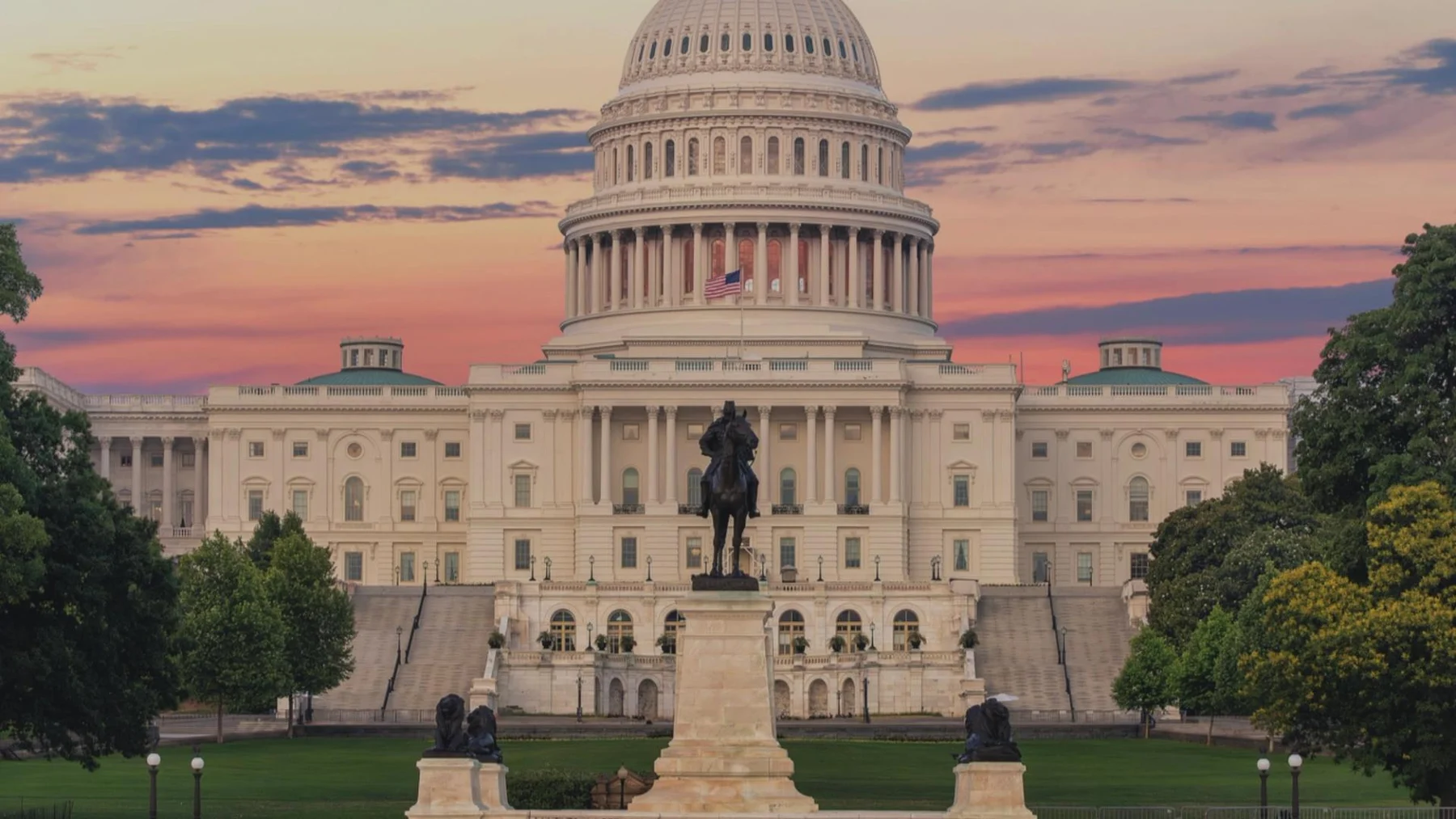
The recent decision by the United States Senate to reject the Clarity Act has created profound ripples throughout the domestic and international digital asset ecosystem. According to comprehensive reporting published by CoinDesk, the legislative measure failed to secure the necessary votes during the procedural cloture process, stalling at forty-nine votes in favor and fifty votes against. This narrow defeat effectively strips the broader cryptocurrency sector of the comprehensive federal market structure framework that industry lobbyists and institutional stakeholders had spent years aggressively advocating for in Washington. Consequently, regulatory oversight will remain fractured and heavily dependent on existing administrative mechanisms.
Market observers and policy analysts tracking the legislative collapse emphasize that the absence of congressional action leaves the primary regulatory burden squarely on the shoulders of existing federal agencies. Rather than establishing a unified statutory blueprint tailored specifically to digital assets, the United States government will continue governing the industry through historical securities laws and commodities statutes. This ongoing reliance on retrospective enforcement actions and administrative guidance creates continuous operational uncertainty for centralized cryptocurrency exchanges, decentralized finance protocols, and digital asset issuers operating within the American market jurisdiction.
Banking Sector Victories and Stablecoin Competition
The intense legislative battle surrounding the failed Clarity Act extended far beyond generic digital asset oversight, exposing a fierce underlying struggle over the future of banking deposits and stablecoin yields. Traditional banking institutions mounted an aggressive opposition campaign against legislative provisions that would have permitted stablecoin platforms to distribute financial rewards directly to users. Banking executives and industry lobbyists argued persuasively that such yield-bearing digital instruments represented an existential threat to commercial bank deposits by offering significantly more attractive returns to retail and institutional customers alike during periods of fluctuating macroeconomic conditions.
Industry experts cited in the original reporting indicated that the defeat of the statutory framework represents a major tactical victory for traditional financial institutions that view stablecoins as formidable competitors rather than mere supplemental payment rails. By blocking the legislative advancement of rules that would legitimize and regulate yield-generating stablecoin products, traditional banks have successfully preserved their deposit base for the foreseeable future. However, this defensive victory also ensures that the fundamental friction between traditional banking and decentralized financial innovation will remain a central point of contention in future congressional sessions.
Regulatory Shifts at the SEC and CFTC
Following the legislative stalemate in the Senate, federal regulatory agencies moved swiftly to assert their jurisdictional authority over the digital asset marketplace. The Securities and Exchange Commission acted almost immediately following the vote, issuing a targeted temporary conditional exemption designed to permit eligible trading venues to facilitate transactions involving tokenized United States equities through permissioned liquidity pools operating on public blockchain networks. This administrative maneuver demonstrates the commission's willingness to carve out narrow compliance pathways even in the absence of explicit congressional authorization or comprehensive statutory guidelines.
Concurrently, the Commodity Futures Trading Commission submitted a new package of cryptocurrency regulations to the White House for formal review, though the specific administrative details were not publicly disclosed by the agency. Market participants are left to speculate regarding the scope of the contemplated digital assets, the precise licensing requirements for participating exchanges, and the ultimate boundaries of regulatory jurisdiction claimed by the commission. This aggressive rule-making by administrative agencies underscores the reality that federal oversight of the cryptocurrency industry will continue to evolve through unilateral executive action rather than transparent legislative consensus.
International Capital Flight and Offshore Hub Growth
As the United States Congress remains deadlocked over fundamental digital asset legislation, foreign jurisdictions with established compliance frameworks are aggressively capturing global market share. According to commentary from specialized legal professionals operating in the Middle East, financial hubs such as the United Arab Emirates are deriving substantial competitive benefits from American legislative inaction. The UAE has successfully fostered a predictable and transparent regulatory environment that currently accommodates more than one hundred regulated virtual-asset businesses alongside dozens of additional entities holding provisional approvals.
Industry advocates emphasize that regulatory clarity has transformed from a mere legal compliance checkbox into a powerful economic catalyst for international competitiveness. Every additional year that the United States spends debating market structure legislation provides foreign jurisdictions with another valuable opportunity to attract pioneering startup companies, visionary founders, specialized engineering talent, and substantial venture capital. This ongoing migration of human and financial capital toward accommodating foreign hubs highlights the long-term economic risks associated with prolonged regulatory ambiguity within the domestic American market.
Conclusion and Strategic Outlook
The reported failure of the Clarity Act in the United States Senate has established a complex and fragmented operating environment for all digital asset market participants. What was explicitly reported by CoinDesk is that the legislative cloture vote failed 49-50, traditional banking interests successfully resisted stablecoin deposit competition, and federal agencies like the SEC and CFTC are actively pursuing alternative administrative rule-making. Conversely, what remains unconfirmed is the ultimate economic impact of these administrative maneuvers and the precise long-term timeline for future congressional legislative revivals.
Cexvia risk intelligence finds that the affected entities include digital asset exchanges, stablecoin issuers, and retail cryptocurrency users within the United States jurisdiction, all of whom now face prolonged regulatory uncertainty without statutory market protections. The immediate required action for market participants is to conduct thorough legal reviews of their cross-border exposures, enhance compliance monitoring regarding SEC and CFTC enforcement shifts, and consider diversifying operational footprints into stable foreign jurisdictions like the UAE, all while noting that these strategic observations are based on reported media coverage and remain officially unconfirmed.
Cexvia conclusion
Regulatory Impasse and Strategic Realignment
The legislative defeat of the Clarity Act in the United States Senate has directly benefited traditional banking institutions attempting to limit stablecoin deposit competition and accelerated the competitive advantage of regulated international hubs such as the United Arab Emirates, according to industry sources reported by CoinDesk, although these structural shifts are not officially confirmed.
- Risk meaning
- The absence of federal market structure legislation perpetuates regulatory fragmentation across multiple federal agencies in the United States, forcing digital asset platforms to navigate evolving enforcement priorities, subjective agency interpretations, and potential cross-border capital migration toward foreign jurisdictions with established compliance frameworks.
- User action
- Crypto exchange operators, institutional market participants, and stablecoin issuers must reassess their cross-border compliance strategies, monitor agency-level enforcement updates from the SEC and CFTC closely, and evaluate jurisdictional contingency plans in light of prolonged legislative inaction in Washington.
Continue reading