News topic
Stablecoin regulation
Rules and enforcement affecting stablecoin issuers and distribution.
 Image: Crypto Briefing
Base Enables USDC Deposits on Aave Mobile App
Crypto Briefing reported that Aave has integrated USDC deposits from Base into its mobile application, utilizing Chainlink infrastructure and native asset issuance. This reporting is not officially confirmed by the protocol teams or primary sources.
Latest coverage
Stablecoin regulation
Page 1 of 20
Crypto BriefingBase Enables USDC Deposits on Aave Mobile App
Crypto Briefing reported that Aave has integrated USDC deposits from Base into its mobile application, utilizing Chainlink infrastructure and native asset issuance. This reporting is not officially confirmed by the protocol teams or primary sources.
 Cointelegraph
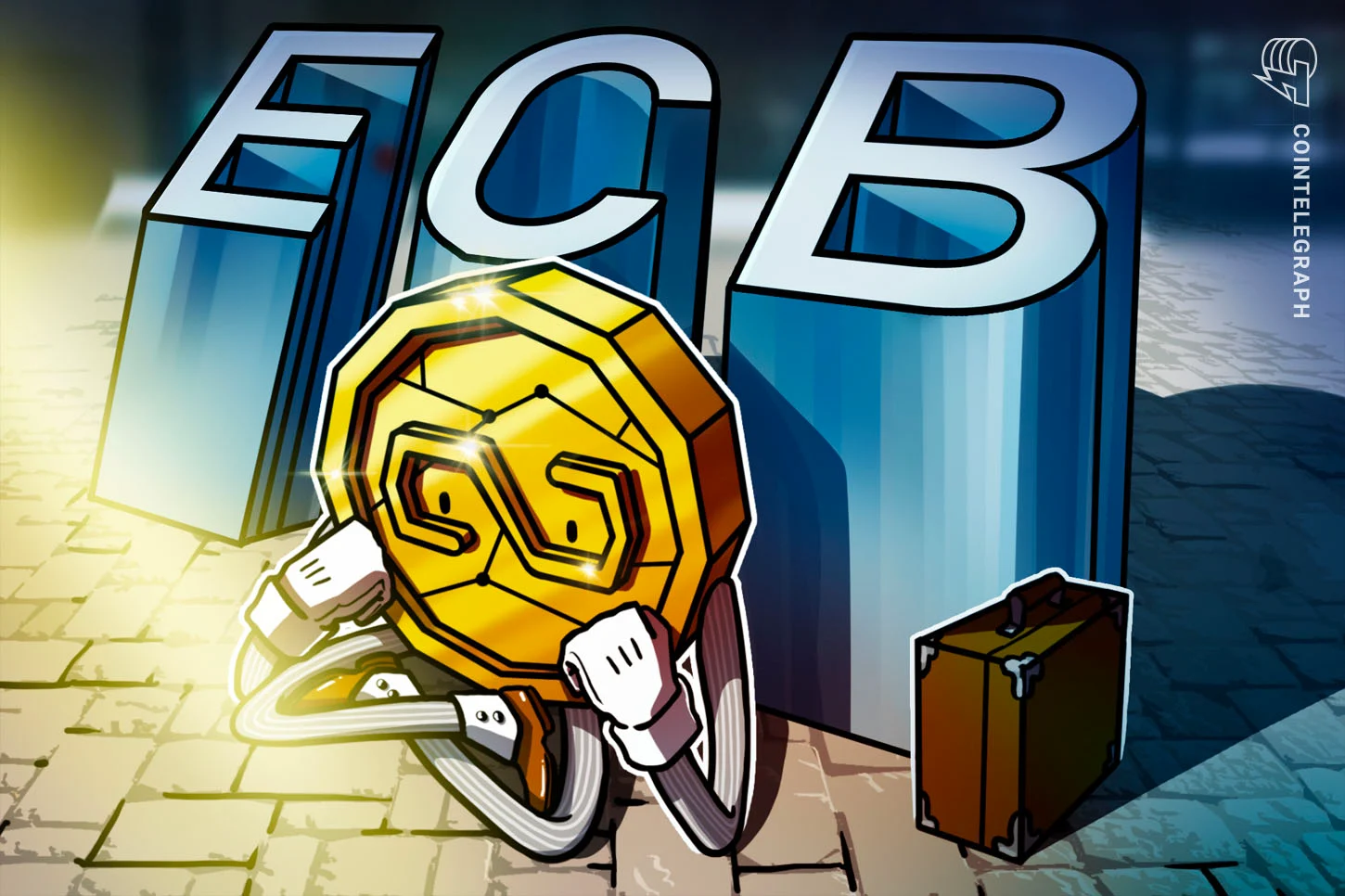
European Central Bank and EU Central Banks Seek Major Overhaul of MiCA Stablecoin Reserve Deposit Rules
According to reporting by Cointelegraph, the European Central Bank and EU central banks want to replace the current Markets in Crypto-Assets Regulation stablecoin bank-deposit requirements with liquidity thresholds, warning that sudden withdrawals could strain lenders. This development is not officially confirmed by the European Commission.
 CoinDesk
European Central Banks Seek Broad Ban on Stablecoin Yields Across Crypto Lending and Staking
According to reporting by CoinDesk, the European Central Bank and national central banks are pushing to extend restrictions on stablecoin yields to cover indirect return mechanisms such as crypto lending, borrowing, and staking. This regulatory proposal, not officially confirmed by legislative authorities, aims to prevent electronic money tokens from competing directly with commercial bank deposits.
 crypto.news
South Korea Targets November Review for Second-Stage Crypto Legislation Amid Regulatory Pace Concerns
South Korea’s Financial Services Commission has scheduled a National Assembly subcommittee review for the Digital Asset Framework Act in November, pushing back against claims of regulatory delays. According to crypto.news, the initiative encompasses critical digital asset distribution parameters and stablecoin governance, though specific implementation timelines remain not officially confirmed.
 crypto.news via LBank
Nephos and Brinc Establish Advisory Partnership to Support Gulf Cooperation Council Digital Asset Startups
Media reporting indicates that Nephos Group has entered into an agreement with venture accelerator Brinc to provide professional financial and compliance services to portfolio companies across the Gulf Cooperation Council, though these developments are not officially confirmed.
 crypto.news
Kakao Pay and KakaoBank Partner with Fireblocks for Stablecoin Infrastructure Testing
According to reporting by crypto.news, South Korean financial giants Kakao Pay and KakaoBank have entered into a memorandum of understanding with digital asset infrastructure provider Fireblocks to explore stablecoin architectures. This collaborative arrangement is intended to evaluate regulatory compliance, technical security, and service delivery frameworks specifically tailored to the South Korean domestic market. However, the initiative is currently limited to proof-of-concept trials, with specific commercial products, deployment timelines, and token standards remaining not officially confirmed.