Regulatory Risk
The Stablecoin Yield Clash Between Traditional Banks and Crypto Sectors
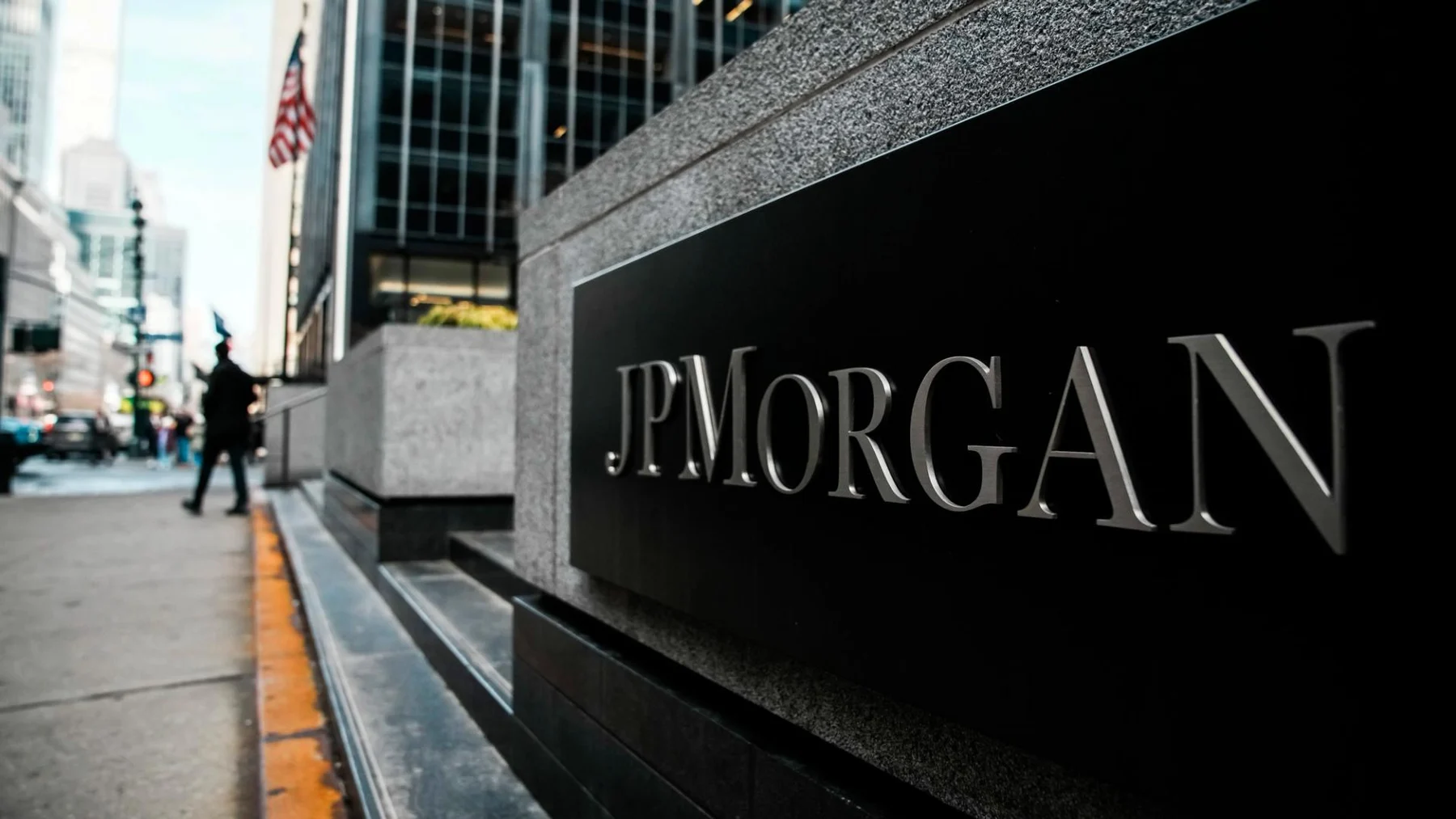
According to reporting by CoinDesk published on August 16, 2026, traditional banking institutions and cryptocurrency advocacy groups have engaged in a fierce legislative battle over stablecoin rewards and yield offerings, leaving the Digital Asset Market Clarity Act on shaky ground. Banking lobbyists, represented by institutions such as JPMorgan Chase & Co., contend that permitting crypto platforms to distribute yield on stablecoins would siphon off retail deposits and undermine traditional credit creation. Conversely, digital asset advocates argue that banking deposit rates have dropped significantly while industry profits remain extraordinarily high, and maintain that deposit migration has not actually occurred. This legislative standoff remains not officially confirmed by neutral regulatory authorities, highlighting a profound structural policy divide in the United States financial system.
The Core Legislative Dispute Over Stablecoin Yields
The ongoing legislative conflict centered around the Digital Asset Market Clarity Act has exposed profound structural disagreements between traditional banking institutions and the emerging cryptocurrency sector regarding digital currency rewards. According to extensive reporting by CoinDesk published in August 2026, banking lobbyists have aggressively pushed to undermine a previously negotiated bipartisan compromise that initially permitted certain structured reward mechanisms for digital asset holders. Financial institutions, spearheaded by dominant legacy lenders, argue that allowing digital platforms to distribute yield on stablecoins creates an unfair competitive advantage that threatens the foundational deposit base of the traditional banking system. This intense political lobbying effort has successfully created severe legislative friction, leaving the future of the Clarity Act in severe jeopardy as lawmakers prepare for critical Senate sessions ahead of the upcoming midterm elections.
Conversely, representatives and advocates from the digital asset industry strongly contend that the banking sector's arguments rely on exaggerated fears rather than empirical market realities. Crypto policy directors and industry analysts emphasize that retail deposit rates offered by legacy institutions have dropped to near zero over recent decades, even amidst rising inflationary pressures. While traditional banks maintain that their business models depend entirely on low-yield retail deposits to sustain lending operations, digital currency proponents argue that bank profitability has reached historic highs despite these structural complaints. Furthermore, industry data indicates that stablecoin market capitalization has expanded significantly without causing the mass exodus of bank deposits that traditional financial lobbyists have publicly warned against, establishing a complex and contentious policy battleground.
Banking Sector Arguments Versus Industry Counterclaims
Traditional banking organizations, represented prominently by major institutions such as JPMorgan Chase & Co., assert that stablecoins operate without the rigorous regulatory oversight, capital requirements, and consumer protection mandates that govern chartered banks. During public interviews and legislative hearings, banking executives have emphasized that parity in regulatory standards is fundamentally necessary to prevent illicit financial activities and maintain systemic stability. The fundamental argument presented by the banking lobby is that retail depositors will inevitably abandon low-interest checking and savings accounts in favor of higher-yielding stablecoin alternatives provided by digital exchanges and stablecoin issuers. Without this reliable and low-cost deposit foundation, bankers argue that institutions will struggle to extend affordable mortgages and commercial loans to everyday citizens and local community businesses, ultimately harming the broader public interest.
On the other side of the debate, cryptocurrency lobbyists and executives have systematically dismantled these assertions by pointing to historical financial trends and current operational metrics. Data highlighted in industry analysis reveals that major traditional banks offer negligible interest rates on standard savings accounts while generating record-shattering industrywide profits, such as the eighty billion dollars reported by the Federal Deposit Insurance Corporation. Furthermore, crypto advocates point out that stablecoin reserves are typically backed one-to-one by high-quality liquid assets and do not utilize depositor funds for risky credit creation in the manner of fractional reserve banking. Proponents argue that banking concerns regarding deposit flight are entirely unfounded, noting that total U.S. bank deposits continue to climb consecutively each quarter even as the overall stablecoin market capitalization expands past three hundred billion dollars.
Regulatory Frameworks and the GENIUS Act Baseline
The legislative confrontation over stablecoin rewards occurs against the backdrop of the Guiding and Establishing National Innovation for U.S. Stablecoins Act, commonly known as the GENIUS Act, which was enacted into law last year. The GENIUS Act established formal federal rules for stablecoin issuers, successfully integrating these digital payment tokens into the broader architecture of the United States financial system. While the established law explicitly prohibits stablecoin issuers from directly distributing yield to token holders, regulatory ambiguity remains regarding how secondary actors, such as trading exchanges and affiliated platforms, can structure distribution fees or indirect reward programs. Banking trade associations have aggressively pressured lawmakers to eliminate any remaining legal leeway within the Clarity Act, ensuring that indirect rewards cannot replicate the interest-bearing features of traditional bank deposits.
Industry stakeholders within the digital asset ecosystem express deep frustration over these repeated attempts by banking lobbyists to reopen settled statutory definitions. Representatives from organizations such as the Crypto Council for Innovation maintain that the fundamental rules concerning stablecoin rewards were thoroughly addressed and resolved during the formulation of previous legislative packages. Nevertheless, the political reality in the United States Senate has created significant vulnerability for the Clarity Act, as several moderate and conservative lawmakers have signaled willingness to vote against the legislation unless additional bank-friendly concessions are incorporated. This delicate political balance has forced various crypto advocacy groups to reassess their legislative strategies, weighing the long-term value of establishing a durable regulatory framework against the immediate commercial cost of ceding ground on user reward incentives.
Potential Market Impact on Exchanges and Retail Users
Should banking lobbyists succeed in forcing restrictive anti-evasion language into the final text of the Digital Asset Market Clarity Act, major cryptocurrency exchanges operating within the United States jurisdiction will face severe operational constraints. Prominent digital asset platforms such as Coinbase, Kraken, and Gemini currently offer various promotional yield and reward programs that incentivize user engagement and stablecoin liquidity retention. If federal regulations ultimately prohibit these distribution-fee arrangements or indirect reward structures, retail users will lose access to competitive returns on their dollar-pegged digital assets. Consequently, this regulatory restriction could significantly dampen retail participation, driving trading volume and liquidity toward offshore or decentralized platforms that operate outside the direct enforcement reach of American regulatory bodies.
Furthermore, the legislative outcome carries substantial implications for the competitive dynamics of the broader financial technology sector. Traditional financial institutions view the restriction of stablecoin rewards as a vital defensive measure to protect their low-cost funding models and maintain profitability across retail banking divisions. Conversely, cryptocurrency advocates warn that artificially suppressing digital asset innovations to protect legacy business models will ultimately stifle technological progress and drive financial engineering talent out of the United States. As the September midterm election legislative window approaches, market participants across both traditional finance and the digital asset economy are closely monitoring these high-stakes negotiations to determine the future boundaries of digital currency utility.
Upcoming Legislative Deliberations and Outlook
The legislative battle over stablecoin yields is projected to reach a definitive conclusion during the final three weeks of Senate action scheduled ahead of the upcoming midterm elections. Political analysts note that the outcome will serve as a definitive test of strength between traditional banking lobbying power and the extensive political influence wielded by crypto advocates in Washington. While several senators have expressed deep constituent anxiety regarding the perceived vulnerability of community banks, digital asset coalitions are actively mobilizing resources to preserve the integrity of the framework established by the GENIUS Act. Nevertheless, the political math in the Senate remains exceptionally tight, requiring supporters to secure sixty votes to overcome potential procedural hurdles and opposition from lawmakers sympathetic to traditional banking interests.
In summary, the reported events and ongoing lobbying conflicts highlight a critical turning point for the regulation of digital assets within the United States. Although media reporting from CoinDesk details the intense political friction surrounding the Clarity Act, the ultimate legislative outcome and the final regulatory treatment of stablecoin rewards remain unconfirmed by official legislative bodies. Affected entities, including major banks like JPMorgan Chase and prominent crypto platforms such as Coinbase, Kraken, and Gemini, must prepare for potential structural adjustments. Retail users and industry participants are strongly advised to monitor upcoming congressional votes closely and assess how potential changes to reward availability may impact their broader digital asset holdings and engagement strategies.
Cexvia conclusion
Legislative Outlook and Final Assessment
CoinDesk reported that banking sector lobbying efforts successfully stalled the Digital Asset Market Clarity Act ahead of its final Senate deliberations, creating severe uncertainty for digital asset reward structures. The affected entities include major banking institutions, such as JPMorgan Chase & Co., alongside prominent cryptocurrency exchanges offering stablecoin reward programs, including Coinbase, Kraken, and Gemini. Affected users include retail account holders and digital asset participants whose access to prospective reward structures remains unconfirmed pending upcoming legislative outcomes. This development is not officially confirmed.
- Risk meaning
- The ongoing regulatory dispute demonstrates how deeply entrenched traditional banking interests can effectively obstruct legislative pathways for digital assets. If traditional lenders succeed in heavily restricting stablecoin incentives, exchanges and issuers will face severe limitations on user acquisition and retention strategies, altering the competitive landscape between decentralized and centralized financial products.
- User action
- Participants utilizing stablecoin reward or yield programs on platforms such as Coinbase, Kraken, and Gemini should closely monitor legislative developments leading up to the upcoming September Senate sessions. Users must evaluate regulatory compliance risks associated with passive holding rewards and remain adaptable to sudden policy shifts affecting digital asset distributions.
Continue reading