News topic
SEC
U.S. Securities and Exchange Commission actions and filings.
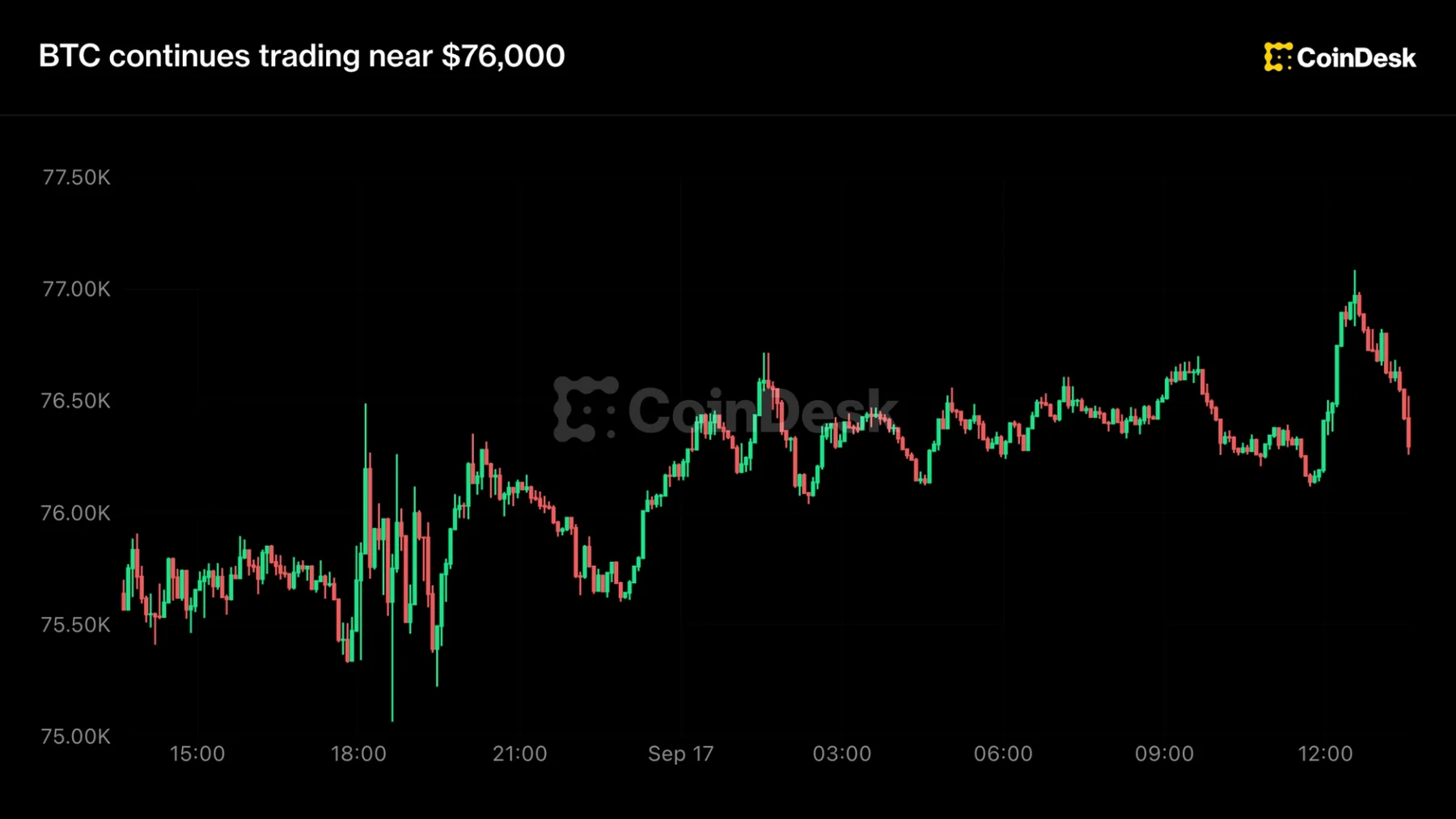 Image: CoinDesk
US Securities and Exchange Commission Unveils Landmark Innovation Exemption for Tokenized Securities Venues
According to reporting by CoinDesk, the United States Securities and Exchange Commission has introduced a long-awaited innovation exemption framework that provides a structural compliance roadmap for blockchain-based trading venues to offer tokenized securities, though these developments are not officially confirmed by primary regulatory notices.
Latest coverage
SEC
Page 8 of 44
CoinDeskUS Securities and Exchange Commission Unveils Landmark Innovation Exemption for Tokenized Securities Venues
According to reporting by CoinDesk, the United States Securities and Exchange Commission has introduced a long-awaited innovation exemption framework that provides a structural compliance roadmap for blockchain-based trading venues to offer tokenized securities, though these developments are not officially confirmed by primary regulatory notices.
 crypto.news via LBank
CLARITY Act Talks Resume in US Senate After Procedural Setback as Industry Evaluates Unofficial Guidance
According to reporting by LBank News based on discovery page coverage from crypto.news, legislative efforts concerning the CLARITY Act have not officially concluded after a failed Senate cloture vote, though market structure rules would not replace state licensing requirements. Platform operators face ongoing uncertainty regarding SEC and CFTC authority, forcing comprehensive legal and operational asset evaluations. Industry observers anticipate that regulatory agency rulemaking will persist while congressional action remains stalled ahead of upcoming midterms. This development is not officially confirmed.
 crypto.news via LBank
Bitwise CIO Revises Market Outlook Following Senate CLARITY Act Setback
According to reporting by crypto.news and LBank News, Bitcoin climbed above $80,000 before the United States Senate rejected the CLARITY Act, prompting Bitwise Chief Investment Officer Matt Hougan to revise his market outlook. The Senate rejected cloture by a 49-50 margin, leaving the crypto market structure bill short of the sixty votes required to advance. Meanwhile, leaders at the SEC and CFTC stated that existing statutory authority still permits additional cryptocurrency rulemaking without new legislation. Financial institutions continued product rollouts, including Robinhood launching its own blockchain and Morgan Stanley introducing Solana and Ether exchange-traded products in July. Bitcoin subsequently traded near $76,300 following the vote-driven selloff and a Federal Reserve interest rate increase, though these market developments are not officially confirmed by legislative authorities.
 Crypto Briefing
Bitcoin Faces Market Uncertainty Following Senate Rejection of the Clarity Act Legislative Package
Crypto Briefing reported that the United States Senate rejected the Digital Asset Market Clarity Act via a 49-50 cloture vote on September 15, 2026. This legislative setback has triggered immediate downward pressure across major digital assets including Bitcoin, Ether, and XRP. As reported, this development is not officially confirmed by separate independent legislative registers beyond media publication, leaving compliance teams to evaluate potential impacts on exchange operations.
 crypto.news
Legislative Stalemate on Digital Assets Shifts Oversight Focus Toward Federal Agencies
Following a failed Senate procedural vote on the CLARITY Act reported by crypto.news, industry participants anticipate that federal regulators will dictate near-term compliance parameters. The development, which remains not officially confirmed by legislative leadership, leaves founders and market participants preparing for prolonged statutory ambiguity in the United States.
 Decrypt
CFTC and SEC Signal Independent Crypto Rulemaking Following Senate Impasse on Clarity Act
According to reporting by Decrypt, leaders of the Commodity Futures Trading Commission and the Securities and Exchange Commission have stated their intention to utilize existing statutory authorities to implement digital asset regulations following the failure of the Clarity Act in the Senate. These developments, which remain not officially confirmed by formal federal rulemakings or direct agency notices outside of public statements, highlight ongoing shifts in the domestic regulatory landscape for digital assets.