News topic
SEC
U.S. Securities and Exchange Commission actions and filings.
 Image: CoinDesk
CFTC Sends Crypto Rules to White House for Review as Congress Stalls on Clarity Act
According to reporting by CoinDesk, the Commodity Futures Trading Commission has submitted a new crypto market proposal to the White House Office of Management and Budget for review. This regulatory movement occurs as the U.S. Senate failed to advance the Clarity Act, prompting financial regulators to pursue digital asset frameworks under their existing statutory authority. Simultaneously, the Securities and Exchange Commission introduced a temporary conditional exemption for qualifying tokenized-stock trading platforms. Furthermore, the CFTC issued a no-action letter concerning certain software providers, though these regulatory developments remain not officially confirmed by independent direct sources outside of media coverage.
Latest coverage
SEC
Page 5 of 44
CoinDeskCFTC Sends Crypto Rules to White House for Review as Congress Stalls on Clarity Act
According to reporting by CoinDesk, the Commodity Futures Trading Commission has submitted a new crypto market proposal to the White House Office of Management and Budget for review. This regulatory movement occurs as the U.S. Senate failed to advance the Clarity Act, prompting financial regulators to pursue digital asset frameworks under their existing statutory authority. Simultaneously, the Securities and Exchange Commission introduced a temporary conditional exemption for qualifying tokenized-stock trading platforms. Furthermore, the CFTC issued a no-action letter concerning certain software providers, though these regulatory developments remain not officially confirmed by independent direct sources outside of media coverage.
 CoinDesk
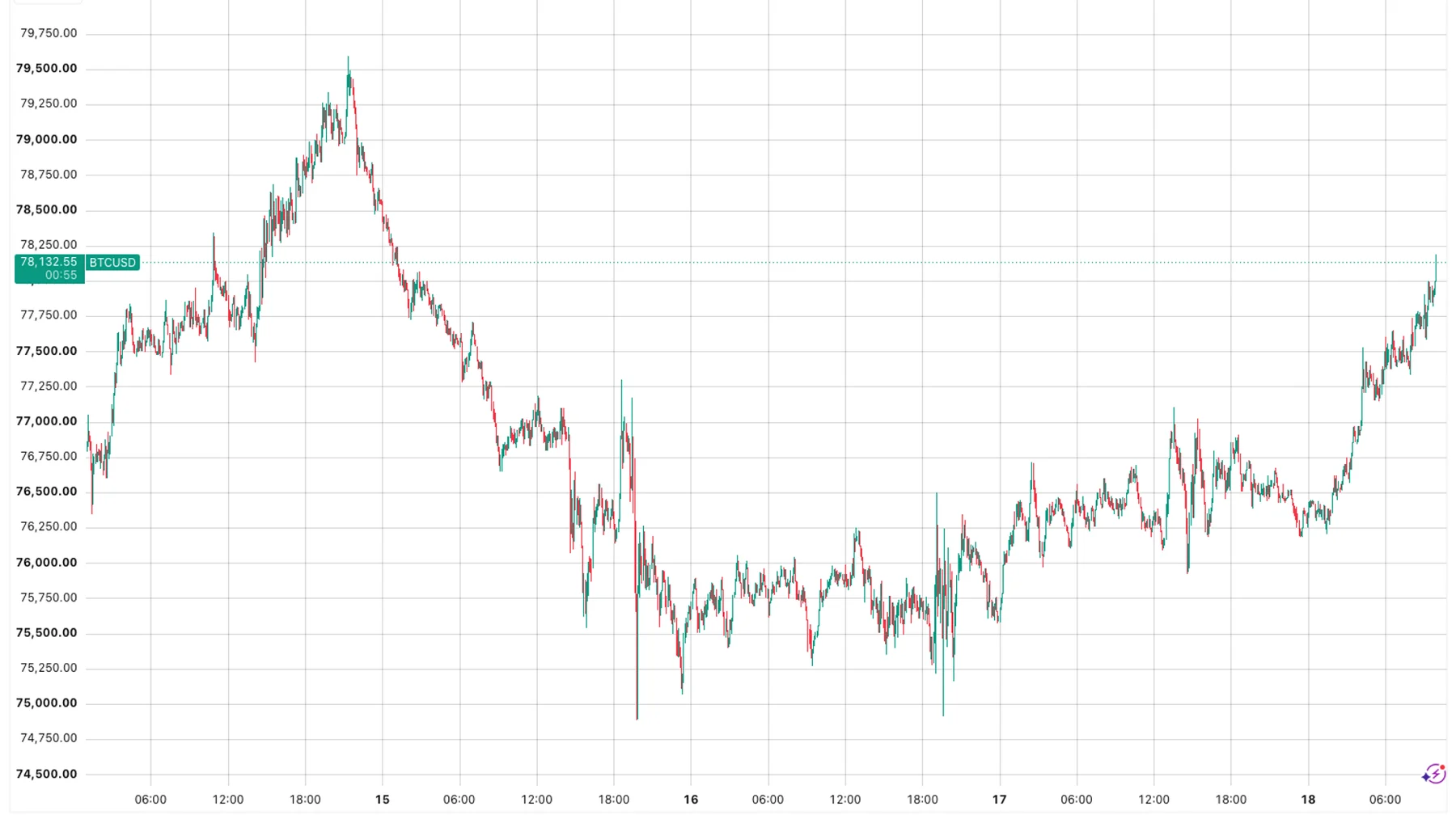
Bitcoin Weathers September Storm as Rate Hikes and Clarity Act Setback Test Bulls
According to CoinDesk reporting, Bitcoin is down just 1.5% in its historically weakest month and remains on track for its first quarterly gain in a year, despite rising rates, surging oil, and a stronger dollar, though these macroeconomic pressures are not officially confirmed.
 CryptoTicker
Stock Token Shareholder Rights: Evaluating SEC Exemption Impact on Global Crypto Venues
CryptoTicker reported that the SEC granted a conditional, time-limited exemption allowing US trading venues to handle tokenized equities under strict equal-rights provisions. This regulatory shift, which has not officially confirmed broader international application, requires investors to carefully verify whether their digital assets embody true shareholder entitlements.
 crypto.news
Crypto.com-Affiliated Nadex Files SEC Notice for U.S. Stock Futures Amid Corporate Restructuring
Crypto.com’s affiliated derivatives platform Nadex registered with the SEC for security futures and outlined plans for ten cash-settled single-stock futures products in the United States. According to reporting by crypto.news, the notice registration became effective immediately upon submission, although specific product approvals and live trading schedules remain not officially confirmed.
 CoinDesk
SEC Unveils Innovation Exemption Allowing Tokenized U.S. Stocks on Public Blockchains Under Strict Trading Caps
According to reporting by CoinDesk, the U.S. Securities and Exchange Commission has introduced a five-year innovation exemption permitting qualifying tokenized securities venues to facilitate trading in real U.S. equities via public blockchains and smart contracts. This regulatory development, which is not officially confirmed by direct primary regulatory filings in our immediate database, imposes rigorous trading volume caps, issuer veto rights, and mandatory public software auditing while excluding synthetic price-tracking products.
 crypto.news
CLARITY Act setback may delay US crypto launches according to industry experts
The United States Senate failed to advance the CLARITY Act in a 50-49 vote, leaving digital asset firms without a federal market structure framework. This legislative roadblock, which is not officially confirmed to permanently kill the bill, has left jurisdiction questions open for market participants.